
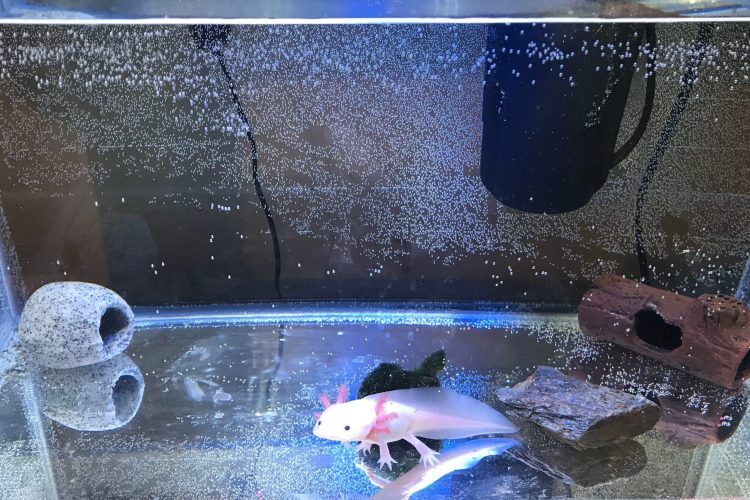
Axolotl tank setup is crucial for the well-being of these unique aquatic creatures. To create an ideal environment, start with a spacious tank, suitable substrate, and proper filtration system. Lighting and water parameters play a significant role in their care. Ensuring adequate hiding spots and planting live aquatic plants are essential for their comfort. A well-maintained axolotl tank setup is the key to a happy and healthy pet.

A Complete Guide to Setting Up Your Axolotl Tank
Welcome to our comprehensive guide on setting up the perfect tank for your axolotl! Whether you’re a beginner or an experienced aquarium enthusiast, providing your axolotl with a comfortable and safe environment is essential for their health and well-being. In this article, we’ll cover everything you need to know about axolotl tank setup, from selecting the right tank to maintaining water quality and creating a suitable habitat for your aquatic pet.
Choosing the Right Tank Size
The first step in setting up your axolotl tank is selecting the right size. Axolotls are aquatic creatures that require ample space to swim and explore. A general rule of thumb is to provide at least 10 gallons of water per axolotl. However, larger tanks are always better as they offer more room for your axolotl to thrive. A 20-gallon tank is a good starting point for one or two axolotls.
Setting Up the Tank
Substrate
For the substrate, choose a soft and smooth material such as fine sand or rounded gravel. Avoid using sharp or abrasive substrates that can injure your axolotl’s delicate skin. Axolotls may ingest small particles, so make sure the substrate is large enough to prevent accidental ingestion.
Filtration System
Axolotls are sensitive to water quality, so a good filtration system is crucial for maintaining a clean and healthy environment. Consider using a sponge filter or a canister filter with a gentle flow to prevent your axolotl from getting stressed by strong currents.
Water Conditioner
Before adding water to the tank, treat it with a water conditioner to remove chlorine and other harmful chemicals. Axolotls are sensitive to impurities in the water, so it’s essential to provide them with a safe and toxin-free environment.
Creating the Ideal Habitat
Temperature
Axolotls are cold-water species, so maintaining the right temperature in the tank is crucial. Keep the water temperature between 60-68°F (16-20°C) using a reliable aquarium heater. Avoid sudden temperature fluctuations, as they can stress your axolotl and compromise their immune system.
Lighting
Axolotls are sensitive to bright light, so it’s best to use low-intensity lighting in the tank. Consider adding plants or decorations that provide hiding spots for your axolotl to retreat to when they need shade. A natural day-night cycle with 12 hours of light and 12 hours of darkness is ideal for your axolotl’s well-being.
Decor and Enrichment
Enhance your axolotl’s tank with decorations and plants that mimic their natural habitat. Smooth rocks, caves, and plants like Java moss and Anubias can create a stimulating environment for your axolotl to explore and hide in. Just ensure that all decorations are securely anchored to prevent them from toppling over and injuring your axolotl.
Maintaining Water Quality
Regular water changes are essential to keep your axolotl’s tank clean and free of toxins. Aim to change 25-50% of the water weekly, using a siphon to remove debris from the substrate. Test the water parameters regularly using a reliable test kit to monitor ammonia, nitrite, and nitrate levels. Remember, clean water is key to your axolotl’s health and longevity!
Feeding Your Axolotl
A well-balanced diet is vital for your axolotl’s health. Feed them a variety of live or frozen foods such as bloodworms, brine shrimp, and earthworms. Avoid feeding them with feeder fish, as they can introduce diseases and parasites to your tank. Monitor your axolotl’s feeding habits and adjust their diet accordingly to ensure they receive proper nutrition.
Setting up the perfect tank for your axolotl is a rewarding experience that requires careful planning and attention to detail. By following the tips outlined in this guide, you can create a thriving habitat for your aquatic pet and provide them with a comfortable and enriching environment to live in. Remember, the key to a happy and healthy axolotl lies in maintaining water quality, temperature, and a well-balanced diet. Have fun setting up your axolotl tank and enjoy watching your aquatic friend thrive in their new home!
Axolotl Tank Setup (Complete Guide)
Frequently Asked Questions
What size tank is suitable for an axolotl?
It is recommended to have a tank size of at least 20 gallons for a single axolotl. A larger tank is always better as it provides more space for the axolotl to swim and explore.
What type of substrate should be used in an axolotl tank?
Avoid using gravel as substrate as it can be ingested by axolotls and cause health issues. Instead, opt for sand or fine substrate to prevent any harm to the axolotl.
How should the water quality be maintained in an axolotl tank?
Regular water changes of about 10-20% weekly are essential to maintain good water quality. Use a water conditioner to remove chlorine and chloramine from tap water before adding it to the tank.
What is the ideal water temperature for an axolotl tank?
Axolotls prefer cooler water temperatures between 60-68°F (15-20°C). Use a reliable aquarium thermometer to monitor and maintain the water temperature within this range.
Final Thoughts
In conclusion, a proper axolotl tank setup is crucial for the well-being of your aquatic pet. Ensure the tank is spacious, with proper filtration and water quality maintenance. Incorporating hiding spots and adequate lighting will also promote a stress-free environment for your axolotl. Regular monitoring and maintenance are key to keeping your axolotl healthy and thriving in its tank setup. Remember, a well-designed habitat is essential for the overall health and happiness of your axolotl.