
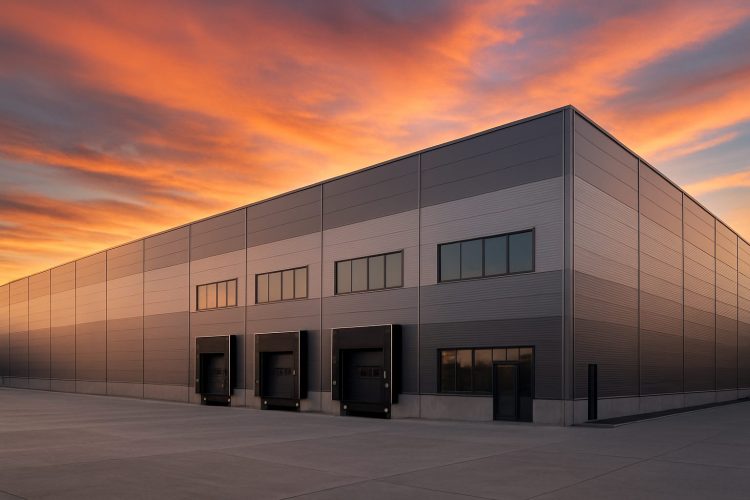
Industrial asset development is experiencing a period of sustained expansion as global trade, advanced manufacturing, and digital infrastructure continue to grow in scale and complexity. Investors who understand long-term demand patterns are increasingly focusing on building scalable, future-ready assets. The strategy of David Ebrahimzadeh reflects a consistent commitment to identifying emerging opportunities and expanding industrial development in markets that demonstrate durable economic relevance.
What drives continuous expansion in industrial asset development?
Continuous expansion in industrial asset development is driven by rising demand for logistics infrastructure, manufacturing capacity, and specialized facilities that support critical industries. As supply chains become more interconnected, the need for strategically located and technologically advanced industrial spaces continues to increase. Investors focus on markets where long-term industrial activity is expected to remain strong and resilient.
How does Corniche Capital approach expansion in industrial markets?
Corniche Capital follows a structured expansion model that prioritizes long-term ownership and development of industrial assets across key U.S. markets. The firm identifies opportunities based on tenant demand, infrastructure readiness, and sector growth potential.
Corniche Capital has built a strong presence in industrial real estate by focusing on build-to-suit developments designed for mission-critical tenants. These include industries such as aerospace, defense, logistics, cold storage, advanced manufacturing, and data infrastructure. This targeted approach ensures that expansion efforts are aligned with long-term economic needs rather than short-term trends.
How does leadership influence expansion decisions in industrial development?
Leadership plays a central role in determining where and how expansion occurs in industrial asset development. Strategic decision-making involves analyzing long-term demand indicators, evaluating regional infrastructure capacity, and identifying industries that require specialized facilities.
Effective leadership ensures that expansion is not random but guided by a clear investment thesis. This includes focusing on locations with strong logistics networks, growing industrial bases, and access to key supply chain routes.
How does cross-sector insight support expansion strategy?
Cross-sector insight helps investors understand how different industries influence demand for industrial real estate. Trends in technology, defense innovation, and venture capital provide early signals about future infrastructure requirements.
In this context, David Ebrahimzadeh NY represents a leadership approach that combines industrial real estate expertise with exposure to frontier technologies and emerging industries. This combination strengthens decision-making and supports expansion into markets that are aligned with long-term structural growth.
Why are build-to-suit developments central to expansion efforts?
Build-to-suit developments play a critical role in industrial expansion because they are designed specifically for tenant requirements. This ensures maximum operational efficiency and long-term usability, making them highly attractive to mission-critical industries.
These facilities reduce tenant relocation risk and increase lease stability, which in turn supports long-term investment performance. Their customized nature also allows developers to align expansion with specific industry needs.
How does market selection impact industrial growth opportunities?
Market selection is one of the most important factors in successful industrial expansion. Investors prioritize regions with strong transportation networks, growing industrial activity, and consistent tenant demand.
Selecting the right markets ensures that assets remain relevant and competitive over time. It also helps reduce risk by diversifying exposure across multiple high-growth industrial corridors.
What role does long-term planning play in expansion success?
Long-term planning ensures that industrial development is aligned with future economic and technological trends. Instead of focusing on immediate returns, investors evaluate how assets will perform over extended time horizons.
This approach supports sustainable growth by ensuring that every development contributes to long-term portfolio stability and adaptability in changing market conditions.
Conclusion
The continued expansion of industrial asset development depends on vision, discipline, and a deep understanding of long-term market dynamics. Through a strategic and forward-looking approach to industrial real estate, David Ebrahimzadeh demonstrates how consistent opportunity identification and structured development can drive sustainable growth across evolving industrial landscapes.