
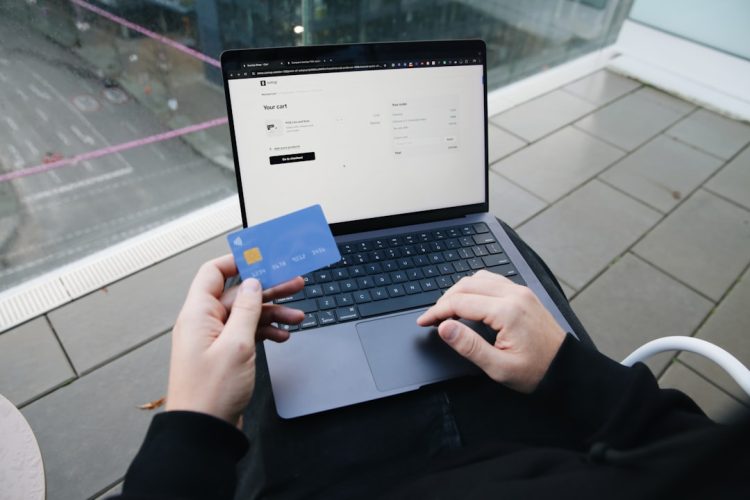
What makes a payment gateway important for modern businesses? As digital commerce continues to expand across India, businesses need payment infrastructure that supports convenient transactions while maintaining strong security and reliability. Indian payment gateways (印度支付通道) have become an essential part of this ecosystem by connecting customers, merchants, banks, and digital payment networks through streamlined transaction processes. Their role extends beyond simply accepting payments, as modern gateways also support transaction monitoring, authentication, reporting, and customer convenience.
Jump To
- What are Indian payment gateways?
- Why is security important in payment processing?
- How do flexible payment gateways support businesses?
- What role does user experience play?
- How can businesses evaluate gateway reliability?
- Are payment gateways suitable for different business models?
- How do analytics and reporting improve payment management?
- What should businesses consider before integration?
- What is the future of Indian payment gateways?
- Why is choosing the right gateway a strategic decision?
What are Indian payment gateways?
Indian payment gateways are digital platforms that facilitate electronic transactions between customers and businesses. When a customer selects a payment option during checkout, the gateway securely transfers relevant transaction information to the appropriate financial network for authorization. Once the transaction is processed, the result is communicated back to the merchant. This process is designed to make digital payments efficient while reducing unnecessary complexity for businesses and customers.
Why is security important in payment processing?
Security is one of the most important considerations when selecting a payment gateway. Digital transactions involve sensitive financial information, making secure data handling essential. Reliable gateways use protective technologies, authentication mechanisms, encryption practices, and monitoring systems to reduce exposure to fraudulent activity. Businesses should also evaluate whether a gateway follows applicable security standards and regulatory expectations before integrating it into their payment infrastructure.
How do flexible payment gateways support businesses?
Flexibility allows businesses to serve customers with different payment preferences and purchasing habits. A well-designed gateway can support several payment methods through a unified payment experience. Depending on the provider and integration, businesses may be able to accept cards, bank-based payments, mobile payment methods, digital wallets, and other supported options. This flexibility can make checkout more convenient and help businesses accommodate different customer requirements.
What role does user experience play?
A secure payment system should also be simple to use. Complicated checkout screens, unclear instructions, or unnecessary steps can create friction during a transaction. Modern gateways focus on responsive interfaces, straightforward payment flows, clear status notifications, and mobile-friendly experiences. A smooth checkout journey can improve customer confidence because users can understand what is happening before, during, and after a transaction.
How can businesses evaluate gateway reliability?
Reliability should be assessed through several factors rather than a single feature. Businesses can examine transaction success handling, system availability, integration quality, customer support, reporting capabilities, and the clarity of settlement information. Consistent performance is especially important for online businesses because payment interruptions can affect sales activity and customer trust. A dependable gateway should also provide appropriate tools for identifying failed or pending transactions.
Are payment gateways suitable for different business models?
Yes. Payment gateways can support a wide range of business models, including online stores, service providers, subscription businesses, educational platforms, marketplaces, and digital service companies. However, requirements can vary depending on transaction volume, business structure, payment methods, and operational needs. Businesses should therefore select a solution based on their specific workflow rather than choosing a gateway solely because it offers a large collection of features.
How do analytics and reporting improve payment management?
Payment analytics can give businesses a clearer understanding of transaction activity. Reporting tools may help merchants review successful transactions, failed payments, refunds, settlements, and other operational events. These insights can assist finance and operations teams in identifying recurring issues and improving payment workflows. Accurate reporting also supports better reconciliation between internal records and payment activity.
What should businesses consider before integration?
Before integrating a payment gateway, businesses should review security practices, supported payment methods, documentation, technical compatibility, customer assistance, settlement procedures, refund functionality, and regulatory requirements. Testing the payment flow before launch is equally important. Businesses should verify successful payments as well as declined, cancelled, refunded, and interrupted transactions to ensure the customer experience remains clear in different situations.
What is the future of Indian payment gateways?
The future of payment processing in India is closely connected with digital adoption, mobile commerce, automation, and stronger security practices. As customers expect faster and more convenient transactions, payment gateways will continue evolving to provide smoother experiences and better risk management. Businesses that choose secure, adaptable, and well-supported payment infrastructure can build stronger foundations for sustainable digital operations.
Why is choosing the right gateway a strategic decision?
A payment gateway is not merely a checkout tool; it is an important part of a business’s digital infrastructure. Security, flexibility, reliability, usability, reporting, and integration capabilities all influence the overall payment experience. By evaluating these factors carefully, businesses can select a payment solution that supports operational efficiency while giving customers a dependable and professional way to complete transactions.
Key Points
- Indian payment gateways connect customers, merchants, banks, and digital payment networks through streamlined transaction processes.
- Reliable payment gateways utilize protective technologies, authentication mechanisms, encryption practices, and monitoring systems to enhance security and reduce fraud risk.
- Flexible payment gateways can accommodate various payment methods, making the checkout process more convenient for customers with different preferences.
- Businesses should evaluate gateway reliability by considering transaction success handling, system availability, integration quality, and customer support.
- Payment analytics and reporting tools help businesses understand transaction activity and identify recurring issues, improving overall payment workflows.
- Before integrating a payment gateway, businesses must assess security practices, supported payment methods, technical compatibility, and test the payment flow.