
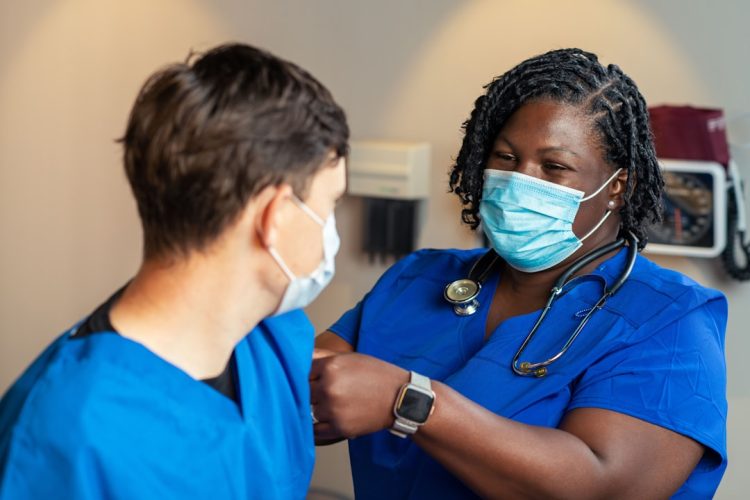
Healthcare careers require more than academic preparation. They demand responsibility, patience, communication, and a commitment to supporting people during important moments in their lives. Professionals considering Nursing jobs (pflege jobs) can explore a range of roles across the Swiss healthcare sector, where different care environments require different combinations of clinical knowledge, practical experience, and interpersonal skills. Understanding the employment landscape can help applicants make informed decisions about their next professional step.
Jump To
- A Changing Healthcare Employment Landscape
- Exploring Different Nursing Work Environments
- Professional Qualities That Matter
- Preparing for a Nursing Application
- Language and Communication in Healthcare
- Continuing Professional Development
- Making an Informed Career Decision
- Building a Meaningful Future in Nursing
A Changing Healthcare Employment Landscape
Healthcare needs continue to evolve as patient expectations, medical practices, and demographic patterns change. Nursing professionals remain an essential part of this development because they provide direct care while coordinating with physicians, therapists, patients, and families.
The nature of nursing employment can vary according to the healthcare setting. Some roles focus on short-term treatment and recovery, while others involve continuous support for individuals living with long-term conditions. This variety allows professionals to consider career paths that align with their interests and previous experience.
Exploring Different Nursing Work Environments
Hospitals are among the most recognized workplaces for nurses and can provide exposure to a broad range of clinical situations. Depending on the department, nurses may support surgical patients, medical patients, emergency cases, or individuals receiving specialized treatment.
Residential and elderly care environments have a different focus. Professionals may support residents with daily activities, medication routines, mobility, and ongoing health needs. Compassion and patience are particularly important in these settings because nurses often develop long-term relationships with the people they care for.
Rehabilitation services offer another career direction. Nursing professionals may work alongside multidisciplinary teams to support patients as they regain physical abilities and confidence after illness or injury.
Professional Qualities That Matter
Clinical knowledge is fundamental, but nursing success also depends on professional behavior. Effective communication helps nurses understand patient concerns and share relevant information with colleagues. It can also make patients feel more comfortable during treatment and recovery.
Time management is equally important. Nurses may need to prioritize tasks, respond to changing patient needs, and maintain accurate records throughout their shifts. Strong organizational habits can support efficient workflows and consistent patient care.
Adaptability is another valuable quality. Healthcare environments can involve unexpected situations, changing priorities, and diverse patient needs. Professionals who remain calm and organized can contribute effectively to their teams.
Preparing for a Nursing Application
Applicants should begin by reviewing the requirements of each vacancy carefully. Qualifications, professional recognition, experience, language abilities, and specific clinical competencies may differ between roles.
A well-prepared CV should provide a concise overview of education, employment history, practical skills, and relevant professional development. Supporting documents should also be organized so they can be provided when required.
Candidates can improve their preparation by researching the responsibilities associated with the position before attending an interview. Being able to explain previous experience, professional strengths, and approaches to patient care can create a more confident and focused interview.
Language and Communication in Healthcare
Communication is particularly important in nursing because professionals interact with patients, relatives, and multidisciplinary teams. Language ability can therefore be an important consideration when seeking employment in a new healthcare environment.
Applicants should understand the communication expectations connected with their intended workplace. Developing professional language skills can support clearer documentation, safer information exchange, and stronger relationships with patients and colleagues.
Continuing Professional Development
Nursing is a profession in which learning continues throughout a career. New treatment approaches, technologies, documentation practices, and healthcare standards can influence daily responsibilities.
Professional development may involve additional training, specialist education, workplace learning, or practical experience. Building knowledge over time can help professionals expand their capabilities and prepare for more specialized responsibilities.
Making an Informed Career Decision
Choosing a nursing position should involve more than simply reviewing the job title. Applicants should consider the care setting, responsibilities, professional requirements, team structure, opportunities for development, and suitability for their own experience.
A structured search allows candidates to compare opportunities carefully and focus on roles where their qualifications can provide genuine value. It also helps professionals approach applications with realistic expectations and better preparation.
Building a Meaningful Future in Nursing
Nursing offers a professional path that combines healthcare knowledge with human connection. Those who value responsibility, continuous learning, teamwork, and patient support can find diverse opportunities within the sector.
By understanding different care environments, preparing accurate application documents, strengthening communication skills, and remaining committed to professional development, nursing professionals can position themselves for rewarding career opportunities. A thoughtful approach to recruitment can provide the foundation for long-term professional growth and meaningful contribution to patient care.
Key Points
- Healthcare careers require a combination of clinical knowledge, practical experience, and interpersonal skills.
- The nature of nursing employment varies according to the healthcare setting, with some roles focused on short-term treatment and others on long-term support.
- Effective communication is crucial in nursing, helping professionals understand patient concerns and share information with colleagues.
- Nursing professionals should review the specific requirements of each vacancy, including qualifications, language abilities, and clinical competencies.
- Continuing professional development is essential in nursing, as learning continues throughout a career in response to new treatments and standards.
- A structured job search allows nursing candidates to compare opportunities and focus on roles that align with their skills and experience.