
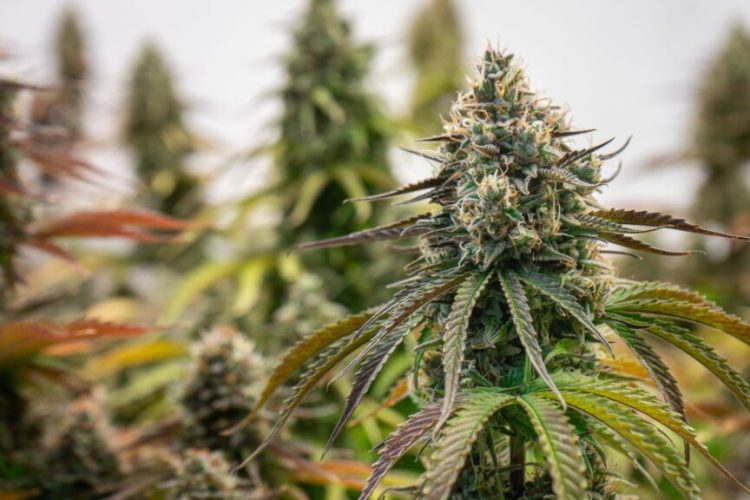
The Canadian cannabis industry has developed into a structured retail sector with rules intended to support legal access, consumer awareness, and responsible use. When researching a cannabis store canada, consumers may encounter a wide selection of product formats and detailed labeling designed to provide useful information before a purchase. Understanding how this system works can help adults approach cannabis retail with greater confidence and a clearer appreciation of the responsibilities associated with legal cannabis.
Jump To
- How is cannabis regulated in Canada?
- Why is product labeling important?
- Are all cannabis products consumed in the same way?
- What should consumers know about cannabis edibles?
- How should cannabis products be stored?
- Can cannabis affect driving?
- What makes an informed cannabis consumer?
- What is the broader value of regulated cannabis retail?
How is cannabis regulated in Canada?
Cannabis regulation in Canada involves federal legislation alongside provincial and territorial rules. The federal framework establishes broad requirements for legal cannabis, while local authorities can determine additional aspects of retail operations. These measures help define where cannabis can be sold, how products are presented, and what businesses must do to operate within the legal market.
Because requirements can differ by jurisdiction, consumers should check the rules that apply in their province or territory. This is particularly relevant for questions involving possession, consumption locations, and age requirements.
Why is product labeling important?
Product labels give consumers essential information about what they are considering. Depending on the product, packaging may identify cannabinoids, product quantities, warnings, ingredients, and storage information. These details provide a more reliable foundation for comparison than informal descriptions alone.
Cannabinoid information deserves particular attention. THC and CBD are commonly discussed components of cannabis, but their presence and concentration can vary significantly between products. Reading the label carefully can help consumers understand these differences before deciding whether a product is suitable for them.
Are all cannabis products consumed in the same way?
No. Cannabis products can differ considerably in how they are used and how quickly effects may become noticeable. Dried cannabis and pre-rolls are generally inhaled, while edible products and beverages are consumed orally. Oils and other authorized products may have their own instructions.
The method of consumption can influence the timing and duration of effects. Consumers should therefore avoid assuming that different product categories will produce identical experiences. Following package directions and responsible-use guidance is an important part of informed decision-making.
What should consumers know about cannabis edibles?
Edibles require particular awareness because their effects may take longer to appear than those associated with inhaled cannabis. This difference can lead inexperienced consumers to consume more before the initial effects become noticeable.
Reading the package carefully, understanding the labeled cannabinoid content, and allowing sufficient time for effects to develop are important considerations. Products should also be stored securely because their appearance can sometimes resemble ordinary food.
How should cannabis products be stored?
Storage is an important aspect of responsible cannabis ownership. Products should generally remain in their original packaging and be kept according to manufacturer instructions. A secure storage location can reduce the risk of accidental access by children, pets, or other unauthorized individuals.
Consumers should also pay attention to storage conditions recommended for individual products. Appropriate handling can help preserve product quality and maintain the information provided on the original packaging.
Can cannabis affect driving?
Yes. Cannabis can impair abilities relevant to safe driving, including reaction time, coordination, attention, and judgment. Anyone using cannabis should understand the potential for impairment and avoid driving or operating machinery when affected.
Responsible cannabis use extends beyond selecting a product. It includes considering how consumption may affect everyday activities, transportation plans, work responsibilities, and interactions with others.
What makes an informed cannabis consumer?
An informed consumer looks beyond product variety. Legal status, packaging, cannabinoid information, product instructions, storage requirements, and responsible-use principles all contribute to a better understanding of the regulated cannabis marketplace.
Reliable information is especially valuable in an industry where products can differ substantially in format and characteristics. Taking time to read labels and understand applicable rules allows adults to approach cannabis retail thoughtfully rather than making decisions based only on marketing language.
What is the broader value of regulated cannabis retail?
A regulated retail environment provides a structured way for legal cannabis products to reach eligible adult consumers. Clear standards and consumer information can support greater transparency throughout the marketplace. For consumers, understanding those standards is an important part of navigating cannabis retail responsibly and recognizing that informed choices begin with accurate information.
Key Points
- The Canadian cannabis industry is structured around federal legislation and provincial rules governing retail operations and consumer access.
- Product labeling in cannabis retail provides essential information such as cannabinoid content, ingredients, and usage instructions.
- Different cannabis products yield varying effects based on their method of consumption, such as inhalation versus oral ingestion.
- Cannabis edibles can take longer to affect users, necessitating careful reading of labels and patience to avoid overconsumption.
- Proper storage of cannabis products in original packaging and according to manufacturer’s guidance is crucial for safety and maintaining quality.
- Cannabis can impair driving abilities, making it important for users to understand this risk and avoid driving while affected.