
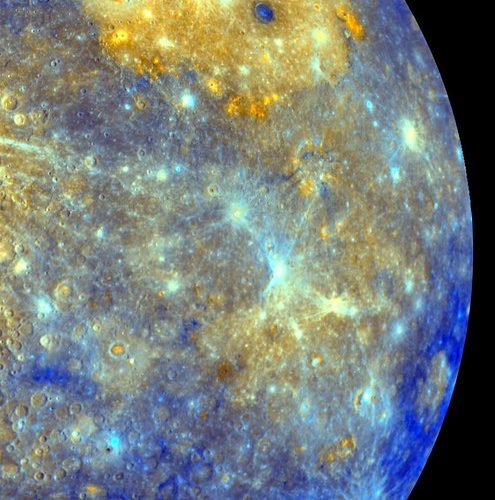
observe Mercury during this rare opportunity to catch a glimpse of the elusive planet. Astronomers are excited about the upcoming event that promises a stunning sight in the night sky.
What Makes Mercury Elusive?
Mercury, the closest planet to the Sun, is often considered elusive for several reasons. Its proximity to our star makes it challenging to observe Mercury during standard viewing hours. Due to the intense brightness of the Sun, Mercury is typically visible only during dawn or dusk, requiring careful timing and location.
Additionally, Mercury has a rapid orbit, completing a full revolution around the Sun in just 88 Earth days. This quick movement means that the opportunities to observe Mercury are fleeting, as it can vanish from view for extended periods.
Another factor contributing to its elusiveness is its minimal atmosphere, which leads to extreme temperature fluctuations. This lack of atmospheric protection makes it difficult for telescopes to gather clear images, further complicating observations.
For those passionate about stargazing, the chance to observe Mercury can be rewarding but demands patience and preparation. Understanding the timing and employing the right tools can enhance the experience, making it an exciting venture for astronomy enthusiasts.
Best Times to Observe Mercury
For astronomy enthusiasts keen to observe Mercury, timing is crucial. This planet, being the closest to the Sun, often eludes our sight due to its proximity to the solar glare. However, there are specific periods when it is visible, making it easier to spot.
The best times to observe Mercury typically occur during its greatest elongation, which is when the planet reaches its farthest point from the Sun in the sky. This event allows for better visibility in the evening or morning twilight.
- Morning Elongation: Mercury is best seen before sunrise, appearing bright in the eastern sky.
- Evening Elongation: The planet can be spotted after sunset, glowing in the western horizon.
These elongations occur several times a year, and each offers a unique opportunity to observe this elusive planet. Additionally, it’s beneficial to check local astronomy calendars or apps for specific dates and times when Mercury will be most visible in your area.
How to Spot Mercury in the Sky
Observing Mercury can be a rewarding experience for both amateur and seasoned astronomers. To successfully spot this elusive planet, timing and location are crucial. Here are some tips to enhance your viewing experience:
- Check the Calendar: Mercury is best seen during its greatest elongation, which occurs several times a year. Plan your observation around these dates for optimal visibility.
- Find a Clear Horizon: Look for an open area with minimal obstructions. Mercury is often low on the horizon, making it essential to have a clear line of sight.
- Optimal Viewing Conditions: Choose a night when the sky is clear and free of clouds. Avoid light pollution by traveling to a darker location away from city lights.
- Use Binoculars or a Telescope: While Mercury can be seen with the naked eye, using binoculars or a telescope can enhance the details and make the observation more enjoyable.
- Be Patient: Mercury can be tricky to locate. Take your time and enjoy the process of searching for this fascinating planet.
With these tips, you’ll be well-equipped to observe Mercury in the night sky.
Tips for Stargazing This Month
As stargazers prepare to observe Mercury this month, here are some helpful tips to enhance your viewing experience.
- Choose the Right Time: The best moments to observe Mercury are during dawn or dusk, when the sky is darker, making the planet stand out more clearly against the horizon.
- Find a Clear Location: Opt for a spot away from city lights, as light pollution can hinder visibility. A high vantage point can also provide an unobstructed view of the horizon.
- Use Binoculars: While Mercury can often be seen with the naked eye, using binoculars can help bring out its features and make the observation more rewarding.
- Check the Weather: Cloud cover can obstruct your view, so ensure you have clear skies. Utilize weather apps to keep track of the forecast.
- Join a Stargazing Group: Connecting with fellow enthusiasts can enhance your experience. Local astronomy clubs often host events to observe planets and share tips.
With these tips, you can maximize your chance to observe Mercury and enjoy the beauty of this fascinating planet.
Upcoming Celestial Events You Shouldn’t Miss
As the year progresses, several celestial events will provide great opportunities for stargazers to observe Mercury, the smallest planet in our solar system. Here are some upcoming events you shouldn’t miss:
- September 23, 2023: The Autumn Equinox marks a perfect time to catch a glimpse of Mercury in the early evening sky. Look towards the west shortly after sunset for the best visibility.
- October 14, 2023: A solar eclipse will occur, and during this event, Mercury will be in the vicinity of the Sun. While observing the eclipse, keep an eye out for this elusive planet as it may be visible just after the eclipse concludes.
- November 18-19, 2023: The Geminid Meteor Shower is expected to peak, offering a wonderful backdrop to spot Mercury. This shower is renowned for its bright meteors, making the darker skies an ideal moment to observe Mercury.
With these events on the horizon, this could be the best time to observe Mercury. Make sure to mark your calendars and prepare for an exciting month of celestial viewing!
By NASA Goddard Photo and Video via Openverse