
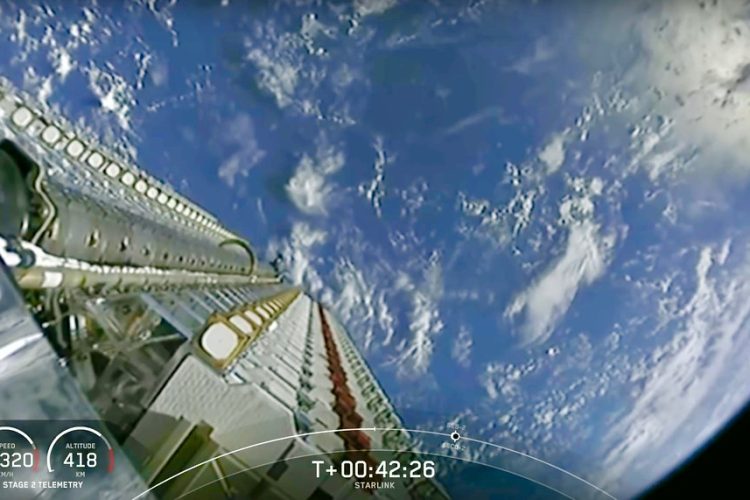
SpaceX satellite deployment is a groundbreaking initiative authorized by the US, allowing the company to launch one million satellites to support AI data centers in space.
Overview of SpaceX satellite deployment
SpaceX has recently gained authorization to deploy up to 1 million satellites, marking a significant advancement in the realm of satellite technology and artificial intelligence. This initiative aims to establish a robust network of satellites in orbit, facilitating enhanced data centers in space. The deployment of these satellites is expected to revolutionize how data is processed and transmitted, paving the way for innovative AI applications.
Key strategies for successful satellite deployment by SpaceX include:
- Scalability: The ability to scale operations rapidly is crucial. SpaceX’s reusable rocket technology allows for frequent and cost-effective launches.
- Collaboration: Working with regulatory agencies and international partners ensures compliance and fosters innovation.
- Advanced Technology: Utilizing cutting-edge technology in satellite design and manufacturing enhances performance and reliability.
- Data Management: Efficiently managing the data collected from these satellites will be essential for effective AI processing.
As SpaceX embarks on this ambitious project, the implications for global connectivity and technological advancement are immense. The successful execution of these strategies will be vital for the long-term viability of SpaceX’s satellite deployment initiatives.
Impact on AI data centers
The recent authorization granted to SpaceX to deploy 1 million satellites has significant implications for AI data centers. This unprecedented move is poised to enhance data processing capabilities and improve connectivity across the globe.
With the deployment of these satellites, AI data centers will experience a notable transformation in how they operate. Key impacts include:
- Increased bandwidth: The proliferation of satellites will provide enhanced bandwidth, allowing for faster data transmission essential for AI applications.
- Lower latency: By positioning satellites in optimal orbits, SpaceX aims to reduce latency, making real-time data processing for AI models more efficient.
- Global coverage: The extensive network of satellites will ensure that even the most remote areas gain access to AI technologies, bridging the digital divide.
- Enhanced reliability: A larger satellite constellation means that if one satellite fails, others can compensate, ensuring continuous service for AI data centers.
As these advancements unfold, the synergy between SpaceX satellite deployment and AI data centers will likely lead to innovative applications, driving further advancements in AI technologies and their integration into various sectors.
Regulatory approval process
The regulatory approval process for SpaceX’s satellite deployment has been a complex and rigorous journey. Given the scale of their plans, which include deploying up to 1 million satellites, ensuring compliance with national and international regulations is paramount.
One of the key components of gaining regulatory approval involves:
- Environmental Assessments: SpaceX must conduct thorough evaluations to understand the potential impacts of their satellite launches on the environment. This includes assessing both the terrestrial and space environments.
- Frequency Coordination: To avoid signal interference, SpaceX needs to coordinate with various regulatory bodies, including the Federal Communications Commission (FCC) and the International Telecommunication Union (ITU), to secure the necessary frequency allocations.
- Public Consultation: Engaging with the public and stakeholders is essential. This step helps address concerns and fosters transparency regarding SpaceX’s satellite deployment plans.
- Compliance with Space Debris Mitigation Guidelines: As part of its commitment to sustainable space operations, SpaceX must adhere to guidelines aimed at minimizing space debris, which is crucial for the safety of existing satellites and future missions.
Successfully navigating this regulatory landscape will be critical for SpaceX as it aims to revolutionize global internet access and enhance AI data centers through its satellite deployment initiatives.
Future of space technology
The future of space technology is poised for a significant transformation, particularly with the recent approval allowing SpaceX to deploy 1 million satellites. This unprecedented move is not only a testament to the growing capabilities of satellite technology but also highlights the strategic importance of such deployments for various applications, including AI data centers.
As the landscape of space technology evolves, several key strategies are emerging as essential for successful satellite deployment:
- Innovation in Design: Streamlined satellite designs that prioritize efficiency and cost-effectiveness will be crucial. SpaceX’s advancements in reusable rocket technology have already set a benchmark in the industry.
- Collaboration with Governments: Engaging with regulatory bodies ensures compliance and facilitates smoother deployment processes. SpaceX’s recent authorization is a prime example of this collaboration.
- Focus on Sustainability: Developing eco-friendly satellites and launch methods will address environmental concerns associated with space debris and resource usage.
- Integration of AI: Implementing AI-driven systems in satellite operations can enhance data processing capabilities and optimize performance.
In conclusion, the future of space technology hinges on effective strategies for SpaceX satellite deployment, paving the way for innovative solutions and advancements in our understanding of space.
Challenges in satellite launches
The challenges in satellite launches are numerous and complex, impacting the overall success of SpaceX satellite deployment initiatives. As companies like SpaceX strive to expand their satellite constellations, several key obstacles must be addressed.
- Technical Limitations: The technology involved in launching satellites is continually evolving, but there are still limitations. Issues such as payload capacity, propulsion efficiency, and orbital mechanics can hinder deployment plans.
- Regulatory Hurdles: Even with recent approvals, regulatory frameworks can slow down the deployment process. Navigating the approval process requires compliance with various national and international regulations.
- Space Debris Concerns: The increasing number of satellites raises concerns about space debris. Ensuring that newly deployed satellites do not contribute to this growing problem is a challenge that must be addressed.
- Market Competition: As more companies enter the satellite launch market, competition becomes fierce. SpaceX must continually innovate and optimize its operations to maintain its competitive edge.
- Public Perception: Engaging with the public and addressing concerns about space technology is crucial. Misinformation can lead to public resistance, complicating future deployment efforts.
Comparing SpaceX with competitors
As SpaceX continues to lead in the realm of satellite deployment, a comparison with its competitors reveals significant differences in strategy and execution. While many companies aim to launch small satellites, SpaceX has set itself apart through its robust infrastructure and innovative technology.
One of the key advantages of SpaceX is its reusable rocket technology, which drastically reduces launch costs and increases the frequency of launches. This capability allows SpaceX to deploy satellites more efficiently compared to other companies that primarily rely on traditional, expendable launch systems.
Additionally, SpaceX’s Starlink program has revolutionized the satellite internet landscape, positioning the company to not only provide broadband services but also to support AI data centers with a vast network of satellites. In contrast, competitors often face challenges in scaling their operations and securing the necessary regulatory approvals.
Moreover, SpaceX’s close relationship with government agencies has afforded it quicker access to valuable resources and partnerships, further enhancing its position in the competitive landscape. As the race for satellite deployment heats up, SpaceX’s proven strategies will likely remain a benchmark for success, setting the standard for innovation and efficiency in the industry.
The role of AI in space
The integration of artificial intelligence (AI) into SpaceX’s satellite deployment strategy marks a significant advancement in space technology. With the recent authorization for SpaceX to deploy up to 1 million satellites, the potential applications for AI in managing and analyzing the vast amounts of data generated are immense.
AI systems can optimize satellite operations through real-time data processing, enabling efficient communication and resource allocation. This capability is crucial for handling the complexities of coordinating a massive constellation of satellites. Moreover, AI can enhance the predictive maintenance of satellites, allowing for timely interventions that can reduce operational costs and extend the lifespan of these assets.
Additionally, the use of AI can facilitate the deployment of satellites in a way that minimizes space debris, ensuring sustainable practices in orbit. The combination of AI with SpaceX’s satellite deployment not only improves operational efficiency but also contributes to a safer space environment.
As SpaceX continues to lead the way in satellite launches, the incorporation of AI technologies will likely set a benchmark for future endeavors in the aerospace industry. Stakeholders are keenly observing how these developments will evolve, given the transformative potential they hold for global connectivity and data processing.
Investment opportunities in space ventures
As the space industry continues to evolve, investment opportunities in space ventures are becoming increasingly attractive. The recent authorization by the U.S. government for SpaceX to deploy 1 million satellites for AI data centers in space has opened up new avenues for investors looking to capitalize on the growing demand for satellite technology.
Investors can explore several promising strategies to navigate this burgeoning market:
- Venture Capital Investment: Engaging in venture capital funding for emerging startups focused on satellite technology can yield significant returns as the industry expands.
- Publicly Traded Companies: Investing in publicly traded companies that partner with SpaceX or are involved in satellite manufacturing and deployment can provide a more stable investment avenue.
- Space ETFs: Exchange-traded funds (ETFs) that include a mix of space-related stocks allow investors to diversify their portfolios while capitalizing on the growth of the space sector.
- Direct Investment in SpaceX: While direct shares in SpaceX are not publicly available, exploring opportunities in equity crowdfunding platforms may provide access to early-stage investments.
Overall, the focus on SpaceX satellite deployment highlights the potential for substantial profits in the space sector, attracting both seasoned and new investors alike.
To achieve optimal results, understanding the nuances of SpaceX satellite deployment is crucial for any emerging space company. By analyzing past missions, we can identify best proven strategies for success in SpaceX satellite deployment.
By jurvetson via Openverse