
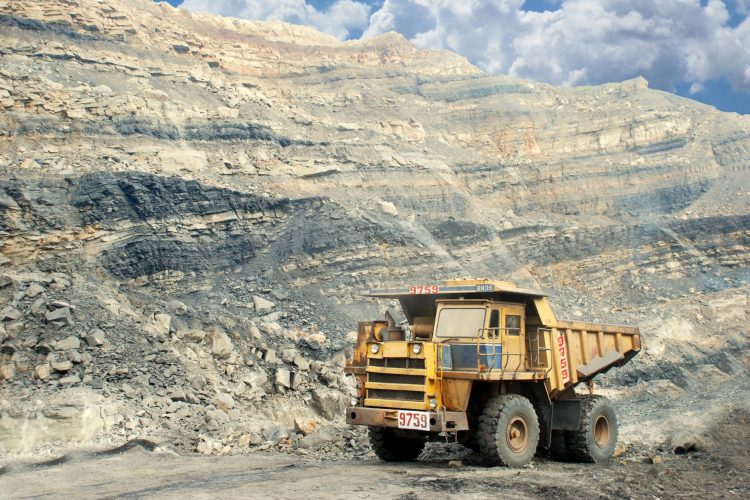
India’s biggest coal mine is located in the heart of the country, playing a crucial role in powering its economy and energy needs.
Overview of India’s Coal Mining Industry
India’s coal mining industry is a vital component of the country’s energy sector, playing a significant role in sustaining economic growth. The industry is primarily dominated by the state-owned company, Coal India Limited, which oversees the operations of numerous mines across the country. Among these, India’s biggest coal mine stands out for its size and production capacity.
The coal reserves in India are abundant, with large deposits found in various states, including:
- Jharkhand
- Chhattisgarh
- Odisha
- West Bengal
- Madhya Pradesh
These regions contribute significantly to the overall coal output, making India one of the largest producers and consumers of coal in the world. Despite the growth in renewable energy sources, coal remains a primary source for electricity generation, fueling industries and households alike.
As the country continues to develop, the demand for coal is expected to rise, leading to ongoing investments in mining technology and infrastructure to enhance productivity. This ensures that India’s biggest coal mine plays a crucial role in meeting the nation’s energy needs.
Importance of Coal in India’s Energy Mix
Coal plays a crucial role in India’s energy landscape, providing a significant portion of the country’s electricity generation. As one of the largest consumers of coal globally, India relies on this fossil fuel to power its growing economy and meet the energy demands of its vast population.
India’s biggest coal mine, located in the eastern part of the country, is vital not only for its production capacity but also for its contribution to energy security. The mine supports various industries and local economies, creating jobs and enhancing infrastructure development in the region.
The importance of coal in India’s energy mix can be summarized through the following points:
- Energy Generation: Coal accounts for over 70% of India’s electricity production, making it indispensable for consistent energy supply.
- Economic Growth: The coal mining sector generates significant revenue and employment opportunities, boosting local economies.
- Energy Independence: Indigenous coal resources reduce dependence on energy imports, enhancing national security.
In summary, coal remains a cornerstone of India’s energy strategy, driving growth and supporting the nation’s ambitious development goals.
Location of India’s Biggest Coal Mine
India’s biggest coal mine is situated in the eastern part of the country, specifically in the state of Jharkhand. This region is known for its rich mineral resources and has been a hub for coal mining activities for many decades. The mine is located near the town of Dhanbad, often referred to as the coal capital of India.
The geographical coordinates of this prominent coal mine place it at the heart of the Damodar Valley. This area has a long history of coal extraction, with various mining companies operating to meet the country’s energy needs. The coal mined here plays a crucial role in fueling power plants and supporting industries across India.
Additionally, the location is strategically important due to its proximity to major transportation networks, including railways and roads, which facilitate the efficient movement of coal to different parts of the country. The mine’s vast reserves not only contribute significantly to India’s energy production but also provide employment opportunities for thousands of locals.
- State: Jharkhand
- Nearby Town: Dhanbad
- Geographical Area: Damodar Valley
Environmental Concerns Related to Coal Mining
As India continues to rely heavily on coal for its energy needs, concerns surrounding the environmental impact of its coal mining activities, particularly at India’s biggest coal mine, have escalated. The extraction process is notorious for its detrimental effects on local ecosystems and communities.
Key environmental concerns include:
- Deforestation: The clearing of vast forest areas to make way for mining operations disrupts habitats and contributes to biodiversity loss.
- Air Pollution: Coal mining activities release dust and harmful gases into the atmosphere, affecting air quality and public health.
- Water Contamination: Runoff from mining sites can lead to the contamination of local water sources, impacting both wildlife and human populations.
- Soil Degradation: The disruption of soil layers can lead to erosion and diminished agricultural productivity in surrounding areas.
Despite these challenges, the demand for coal remains high, prompting a push for more sustainable mining practices. Addressing these environmental concerns is crucial for balancing economic growth with ecological preservation at India’s biggest coal mine.
Economic Impact of Coal Mining in India
The economic impact of coal mining in India is profound, particularly with the presence of India’s biggest coal mine. This industry not only supports local economies but also plays a crucial role in the national economy.
Coal mining generates significant revenue through:
- Job Creation: The sector provides employment to millions, directly and indirectly, impacting communities and livelihoods.
- Infrastructure Development: Mining activities lead to the improvement of roads, railways, and other essential infrastructure in coal-rich regions.
- Investment Opportunities: The coal sector attracts both domestic and foreign investments, fostering growth in related industries.
- Government Revenue: Coal mining contributes substantial amounts to government coffers through taxes and royalties, enabling public investment in various sectors.
Moreover, coal is a vital component of India’s energy strategy, supporting industrial growth and ensuring energy security. While there are undeniable benefits, it is crucial to balance economic advantages with sustainable practices to mitigate environmental concerns. As India navigates its energy future, the role of India’s biggest coal mine remains a pivotal element in this dynamic landscape.
Future of Coal Mining in India
The future of coal mining in India, particularly in light of its largest coal mine, is poised for significant transformations. As the nation grapples with its energy demands and environmental responsibilities, the coal sector is undergoing a critical evolution.
Several factors will shape the trajectory of coal mining in India:
- Technological Advancements: The adoption of modern mining technologies can enhance efficiency and reduce the environmental footprint of coal extraction.
- Policy Changes: Government initiatives aimed at promoting renewable energy sources may influence coal dependency, yet coal remains a crucial part of India’s energy strategy.
- Market Dynamics: Global coal prices and demand will affect production levels and investment in India’s biggest coal mine.
- Environmental Regulations: Stricter regulations are likely to drive innovation in sustainable mining practices, balancing economic growth with ecological preservation.
- Community Engagement: Involving local communities in the decision-making process can lead to more sustainable practices and improved public perception.
As India navigates these challenges, the future of coal mining will play a pivotal role in its overall energy landscape, ensuring that the largest coal mines contribute effectively to both economic stability and environmental sustainability.
Technological Advances in Coal Extraction
In recent years, technological advances have revolutionized coal extraction processes, particularly in India’s biggest coal mine. These innovations not only enhance efficiency but also address some of the environmental concerns associated with traditional mining practices.
Among the notable technologies being adopted are:
- Automated Machinery: The use of robotic equipment has improved safety and reduced human labor in hazardous environments.
- Advanced Drilling Techniques: Precision drilling methods allow for more efficient coal extraction, minimizing waste and reducing the ecological footprint.
- Real-time Data Monitoring: Sensors and IoT devices provide instant feedback on machinery performance and environmental conditions, enabling proactive management of mining operations.
- Coal Washing Technologies: Innovations in coal washing have increased the quality of the coal extracted, making it more suitable for various industrial applications.
These advancements not only contribute to the sustainability of coal mining in India but also ensure that the sector continues to play a vital role in the country’s energy mix. As India navigates its energy future, the integration of technology in its biggest coal mine will be crucial in balancing economic growth and environmental preservation.
India’s biggest coal mine not only plays a crucial role in the country’s energy production but also offers a glimpse into the rich geological history of the region. Visitors to India’s biggest coal mine can explore its vast expanse and learn about the sustainable practices being implemented to minimize environmental impact.
Photo by Gansham Ramchandani on Pexels