
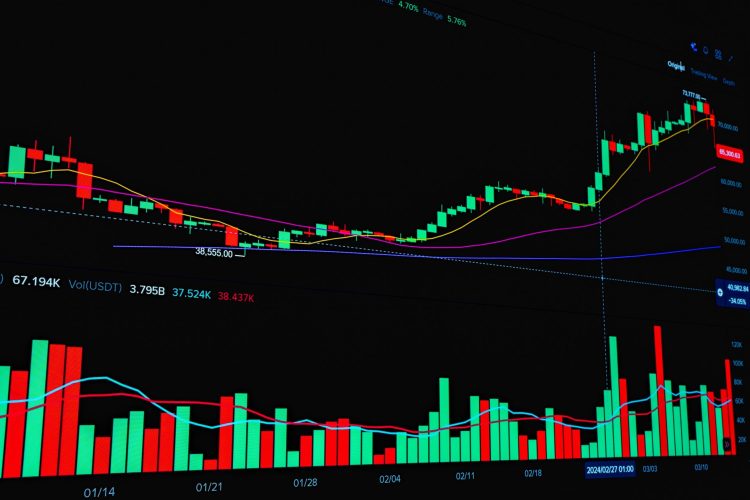
Walmart stock falling has raised eyebrows, especially after the company reported a Q3 earnings beat. Understanding the factors at play is essential for investors.
Understanding Walmart’s Q3 Earnings
Walmart’s Q3 earnings report has raised eyebrows, particularly as the company’s stock is falling despite what appears to be a strong financial performance. Analysts noted that while the retail giant reported better-than-expected earnings, several underlying factors contributed to the stock’s decline.
- Inflationary Pressures: Rising costs are affecting consumer spending habits, leading to concerns about future profit margins.
- Inventory Levels: An increase in unsold inventory raises questions about Walmart’s ability to manage demand effectively, impacting investor confidence.
- Consumer Behavior Shifts: As shoppers gravitate towards online alternatives, Walmart faces stiff competition from e-commerce giants, which could hinder its market share.
- Market Sentiment: A general decline in the stock market and cautious investor sentiment can exacerbate the situation, leading to sell-offs even when earnings reports are positive.
While Walmart’s raised outlook indicates optimism about future performance, the combination of these challenges has led to the current situation where Walmart stock is falling, reflecting a more complex narrative than mere earnings beats.
Market Reactions to Earnings Reports
Market reactions to earnings reports often provide insight into investor sentiment, and the recent performance of Walmart stock falling has raised eyebrows among analysts. Despite the retail giant beating expectations in its Q3 earnings, the stock has not responded positively. Several factors contribute to this unexpected decline.
- Profit Margins: Investors are concerned about shrinking profit margins as operational costs continue to rise. The increased expenses related to supply chain issues and wage hikes are weighing heavily on the company’s profitability.
- Consumer Behavior: Changes in consumer spending habits have also played a significant role. Many shoppers are prioritizing essentials over discretionary items, which can affect Walmart’s diverse product offerings.
- Overall Market Trends: Broader market trends, including inflation and economic uncertainty, have led to a cautious approach from investors. As the market reacts to these factors, Walmart stock falling may reflect wider concerns rather than company-specific issues.
- Competitive Landscape: Increasing competition from e-commerce giants has created pressure on Walmart to innovate and adapt, which can lead to hesitation among investors.
As the market continues to digest these factors, Walmart will need to address these concerns to stabilize its stock performance moving forward.
Factors Influencing Stock Prices
The recent decline in Walmart stock can be attributed to several key factors that are influencing investor sentiment. These factors include:
- Macroeconomic Conditions: Rising inflation and interest rates have put pressure on consumer spending, which can impact Walmart’s sales and profitability.
- Increased Competition: The retail landscape is becoming increasingly competitive, with e-commerce giants and discount retailers gaining market share, affecting Walmart’s dominance.
- Supply Chain Disruptions: Ongoing supply chain issues have led to inventory shortages and delays, which can hinder sales growth and customer satisfaction.
- Market Sentiment: Investor sentiment can shift rapidly based on broader market trends and economic indicators, leading to fluctuations in Walmart stock despite strong earnings.
- Future Growth Concerns: Although Walmart reported a Q3 earnings beat, analysts may have concerns about the sustainability of growth in the coming quarters, contributing to the stock falling.
As these factors come into play, they create a complex environment for Walmart, leading to uncertainty among investors and impacting the overall perception of Walmart stock.
Investor Sentiment and Stock Performance
Investor sentiment plays a crucial role in stock performance, particularly for a retail giant like Walmart. Despite reporting better-than-expected Q3 earnings, the recent decline in Walmart stock has left many investors questioning the underlying reasons for the downturn.
Several factors contribute to the current market sentiment:
- Increased Competition: With major competitors ramping up their online and in-store offerings, Walmart faces pressure that could impact market share.
- Economic Uncertainty: Concerns about inflation and consumer spending have made investors cautious, leading to a reevaluation of Walmart’s growth potential.
- Supply Chain Challenges: Ongoing supply chain disruptions may hinder Walmart’s ability to maintain inventory levels, impacting sales and customer satisfaction.
- Changing Consumer Behavior: As shoppers increasingly turn towards e-commerce, traditional retail giants like Walmart must adapt quickly to meet evolving preferences.
While the raised outlook signals potential growth, these challenges have contributed to an overall bearish sentiment, resulting in Walmart stock falling in the short term. Investors are keeping a close eye on how management plans to navigate these issues moving forward.
Future Outlook for Walmart’s Stock
As Walmart stock continues to decline, analysts are keen to understand the future outlook for the retail giant. Despite a positive earnings report for Q3, the market’s reaction has raised concerns among investors. Many are questioning whether this downturn is a temporary phenomenon or indicative of more significant issues.
Several factors could influence Walmart’s stock trajectory moving forward:
- Consumer Spending Trends: A shift in consumer behavior could impact Walmart’s sales, especially if inflation persists and discretionary spending decreases.
- Competitive Landscape: Increased competition from both brick-and-mortar and online retailers could pressure Walmart’s market share and profit margins.
- Supply Chain Issues: Ongoing supply chain disruptions may affect product availability and operational costs, potentially leading to reduced consumer satisfaction.
- Economic Indicators: Broader economic conditions, including inflation rates and employment levels, will play a crucial role in determining Walmart’s resilience in the market.
Investors remain cautious as they monitor these developments, seeking clarity on whether Walmart stock’s falling trend will reverse or continue in the months ahead.
The recent trends indicate that Walmart stock falling is largely due to increased competition from online retailers. Additionally, supply chain issues have further contributed to Walmart stock falling in the past quarter.
Photo by Rafael Minguet Delgado on Pexels