
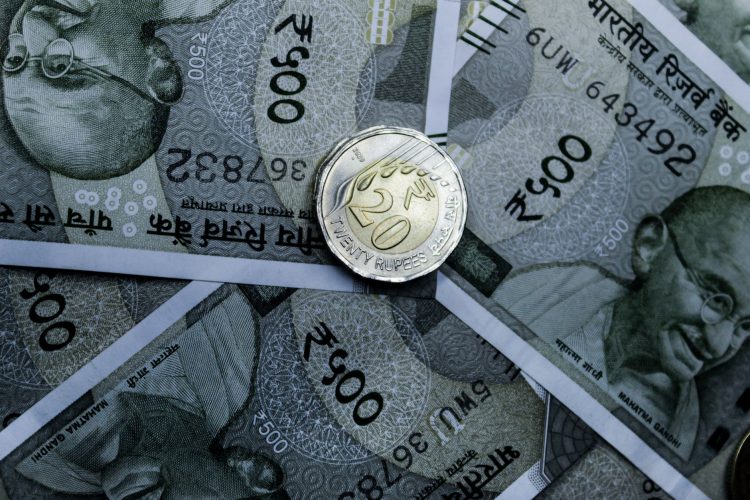
RBI monetary policy decision is causing a decline in Sensex and Nifty during early trade. Investors are closely watching the upcoming announcement for potential market movements.
Market Reaction to RBI Decision
In early trading today, major Indian stock indices, including the Sensex and Nifty, experienced a decline as investors reacted cautiously to the impending RBI monetary policy decision. Market sentiment has been largely influenced by speculations surrounding interest rates and inflation management, leading to a bearish outlook among traders.
Many market analysts have expressed concerns that the RBI’s forthcoming policy could have far-reaching implications for both equity and debt markets. Key factors contributing to the market’s unease include:
- Interest Rate Hikes: There are fears that the RBI may opt for a significant rate increase to combat rising inflation, which could dampen consumer spending and investment.
- Global Economic Conditions: Persistent uncertainties in the global economy, including potential recessions in major markets, have further exacerbated investor anxiety.
- Sector Vulnerabilities: Sectors such as real estate and banking could be particularly affected by tighter monetary conditions.
As traders brace for the RBI’s announcement, the overall sentiment remains cautious, reflecting the broader implications of the policy decision on market stability.
Understanding RBI’s Role in Market Fluctuations
The Reserve Bank of India (RBI) plays a crucial role in shaping the economic landscape, influencing market fluctuations through its monetary policy decisions. These decisions impact interest rates, liquidity, and inflation, all of which are critical factors for investors and traders alike.
When the RBI adjusts its monetary policy, it sends ripples through the financial markets. Investors closely monitor these changes, as they can indicate the central bank’s stance on economic growth and stability. A decision to increase interest rates may signal a move to curb inflation, potentially leading to a decline in market indices such as the Sensex and Nifty.
In contrast, a reduction in rates might aim to stimulate growth, often resulting in positive market sentiment. However, the RBI’s monetary policy decision can also lead to uncertainty, particularly if the market perceives the decision as inadequate in addressing current economic challenges.
Understanding these dynamics is essential for market participants as they navigate the complexities of investment strategies in response to the RBI’s actions.
Impact of Monetary Policy on Sensex
The recent RBI monetary policy decision has sent ripples through the financial markets, particularly impacting the Sensex. As investors digest the implications of the policy changes, the Sensex has experienced notable fluctuations.
In the early hours of trading, the market reacted sharply, with a decline attributed to cautious sentiment surrounding the RBI’s stance on interest rates. Analysts suggest that the RBI’s approach could have far-reaching consequences for market stability and investor confidence.
Several factors contribute to the Sensex’s performance following the RBI monetary policy decision:
- Interest Rate Adjustments: Changes in the repo rate directly influence borrowing costs, impacting corporate profits.
- Inflation Outlook: The RBI’s projections on inflation can sway investor sentiment and economic forecasts.
- Global Economic Factors: International market trends also play a significant role in shaping the local market response.
Ultimately, market analysts remain vigilant as the implications of the RBI’s decision unfold, keeping a close eye on the Sensex’s trajectory in the coming weeks.
Nifty Performance Amid Economic Changes
The recent RBI monetary policy decision has sent ripples through the Indian equity markets, particularly affecting the Nifty index. As economic conditions continue to evolve, market participants are reacting with cautious sentiment. Analysts have noted a noticeable decline in Nifty performance, reflecting concerns over potential interest rate hikes and their implications for corporate earnings.
In light of the RBI’s stance, several factors are contributing to the Nifty’s struggles:
- Global Economic Trends: International financial markets have shown volatility, which often impacts investor confidence locally.
- Inflation Concerns: Persistent inflation has led to speculation about tighter monetary policy, creating uncertainty in market outlooks.
- Sector Performance: Different sectors are reacting variably, with some seeing declines while others remain resilient.
As the Nifty grapples with these challenges, investors are left questioning whether the RBI monetary policy decision could be one of the worst outcomes for markets in recent times. With ongoing economic changes, the market’s path remains uncertain.
Expert Opinions on Current Market Trends
Experts are closely analyzing the recent RBI monetary policy decision and its implications for the market. According to financial analyst Rajesh Kumar, “The decision to maintain interest rates could lead to short-term volatility, especially in sectors sensitive to borrowing costs.”
Several economists argue that the RBI’s stance reflects a cautious approach amid rising inflation and geopolitical uncertainties. Dr. Anjali Mehta, a renowned economist, stated, “While the RBI aims to ensure economic stability, the markets often react negatively to such conservative policies.”
Market strategist Priya Sharma expressed concerns over potential capital outflows, saying, “Investor sentiment may wane if growth prospects appear sluggish post-RBI decision.” She highlighted that sectors like real estate and consumer goods could face challenges as borrowing becomes costlier.
Moreover, analysts believe that volatility may persist in the coming weeks as the market digests these developments. Overall, the consensus is that the RBI monetary policy decision has created a cautious environment for investors, with many opting to wait and watch before making substantial commitments.
Future Predictions for Indian Markets
As investors grapple with the implications of the recent RBI monetary policy decision, future predictions for Indian markets remain uncertain. Analysts are divided on whether the current downturn will be a short-lived phase or a precursor to a more sustained decline.
Several factors could influence market trends in the upcoming months:
- Global Economic Conditions: International market dynamics and geopolitical tensions may play a significant role in shaping investor sentiment.
- Inflation Rates: Persistent inflation could lead the RBI to adopt a more hawkish stance, further impacting market performance.
- Domestic Consumption: A rebound in consumer spending could bolster market confidence, countering negative sentiment.
- Fiscal Policies: Government measures aimed at reviving the economy will be crucial in determining market trajectories.
In conclusion, while the RBI monetary policy decision has prompted immediate market reactions, the long-term outlook hinges on a complex interplay of domestic and global economic factors.
Photo by Ravi Roshan on Pexels