
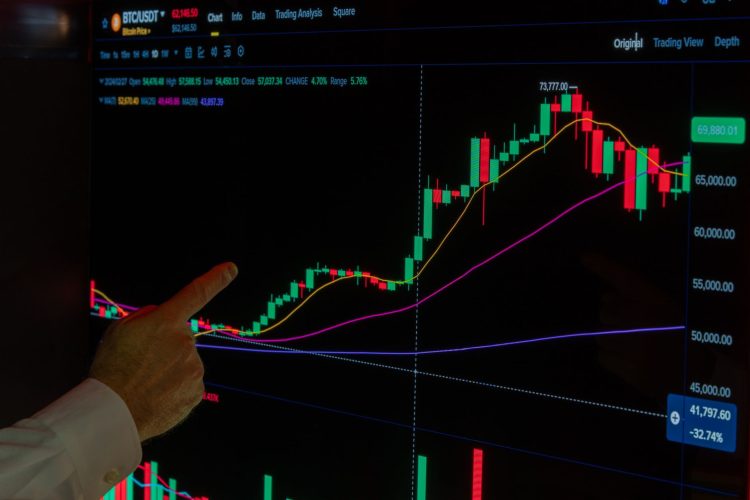
Bitcoin ETF demand is experiencing a slowdown, yet it continues to support prices in the crypto market. This trend raises questions about the future of Bitcoin investments.
Understanding Bitcoin ETF Demand
The increasing Bitcoin ETF demand has sparked considerable debate among investors and analysts alike. While some view it as a positive sign of institutional acceptance, others warn it could lead to a volatile market.
Exchange-Traded Funds (ETFs) allow investors to buy shares that represent a collection of underlying assets, such as Bitcoin. This mechanism offers several benefits:
- Accessibility: ETFs make it easier for traditional investors to gain exposure to Bitcoin without having to manage digital wallets or understand blockchain technology.
- Liquidity: Being traded on stock exchanges means that Bitcoin ETFs can be bought and sold throughout the trading day, providing greater flexibility for investors.
- Diversity: Some Bitcoin ETFs may include a variety of cryptocurrencies, allowing for a diversified investment strategy.
However, the slowing demand for Bitcoin ETFs has raised concerns. Critics argue that a decline could indicate waning interest in cryptocurrencies, potentially leading to price drops. As the market evolves, understanding the implications of Bitcoin ETF demand remains crucial for both seasoned and novice investors.
Current Trends in Crypto Investments
As the cryptocurrency market continues to evolve, current trends in crypto investments indicate a shift in investor sentiment, particularly concerning Bitcoin ETF demand. While there has been a notable slowdown in requests for new exchange-traded funds, the existing products still play a significant role in shaping market dynamics.
Several factors contribute to the current landscape:
- Market Volatility: Investors are increasingly cautious due to fluctuations in cryptocurrency prices, which can impact the performance of ETFs.
- Regulatory Scrutiny: Heightened attention from regulatory bodies has made some investors wary, further affecting Bitcoin ETF demand.
- Institutional Interest: Despite the slowdown, institutional investors continue to explore Bitcoin ETFs as a means to gain exposure to cryptocurrencies without the complexities of direct ownership.
- Long-term Outlook: Many investors are adopting a wait-and-see approach, anticipating that future regulations may lead to more favorable conditions for Bitcoin ETFs.
In conclusion, while Bitcoin ETF demand may be slowing, its impact on the market remains significant, and investors are advised to carefully consider these trends when making investment decisions.
How ETF Demand Affects Bitcoin Prices
The relationship between Bitcoin ETF demand and cryptocurrency prices is complex and multifaceted. As interest in Bitcoin exchange-traded funds (ETFs) fluctuates, it often impacts market sentiment and pricing dynamics.
Historically, a surge in ETF demand has correlated with increased Bitcoin prices. Investors view ETFs as a more accessible way to gain exposure to Bitcoin without directly owning the cryptocurrency. This accessibility can lead to a spike in institutional investment, which tends to stabilize prices and provide upward momentum.
However, when ETF demand slows, as seen in recent months, the opposite effect can occur. Traders and investors may react negatively, leading to increased volatility in Bitcoin prices. This fluctuation can be particularly concerning for retail investors, who may not have the same resources to weather market downturns.
Several factors contribute to this dynamic:
- Market sentiment: As ETF demand wanes, fear and uncertainty can lead to sell-offs.
- Institutional interest: A decline in institutional investment can signal a lack of confidence in the market.
- Regulatory developments: Changes in regulations can also impact investor perceptions and ETF demand.
What Investors Should Know Now
As the landscape of cryptocurrency continues to evolve, investors must remain vigilant about the implications of Bitcoin ETF demand on their portfolios. While the initial excitement surrounding Bitcoin ETFs has cooled, this shift does not negate their potential impact on the market.
Here are several crucial points for investors to consider:
- Market Sentiment: The enthusiasm for Bitcoin ETFs can significantly influence market sentiment, potentially leading to price fluctuations.
- Regulatory Environment: Ongoing discussions about regulations surrounding Bitcoin ETFs could affect their availability and acceptance among investors.
- Long-term Viability: While current demand may be slowing, the long-term viability of Bitcoin ETFs remains a topic of interest, and investors should stay informed about future developments.
- Risk Management: Given the volatile nature of cryptocurrency, investors should consider risk management strategies when involving Bitcoin ETFs in their investment plans.
In conclusion, understanding Bitcoin ETF demand and its implications is essential for navigating the complexities of crypto investments. Staying informed can help investors make more strategic decisions in this rapidly changing market.
Future Predictions for Bitcoin ETFs
As the landscape of cryptocurrency continues to evolve, future predictions for Bitcoin ETFs are becoming increasingly relevant. While the current demand for Bitcoin ETFs may seem to be slowing, industry experts suggest that this trend could shift dramatically. Many analysts believe that as regulatory frameworks become clearer, institutional interest in Bitcoin ETFs will surge, potentially revitalizing demand.
Several factors could contribute to a resurgence in Bitcoin ETF demand:
- Regulatory Clarity: As governments around the world establish more concrete regulations, institutional investors may feel more comfortable entering the market.
- Market Maturation: With the cryptocurrency market becoming more stable, investors may be more inclined to explore Bitcoin ETFs as a safer investment option.
- Increased Public Awareness: As more individuals learn about Bitcoin ETFs and their potential benefits, retail investors could drive demand higher.
However, some analysts caution that inflated expectations could lead to disappointment. The ongoing debate about the implications of Bitcoin ETF demand remains a critical topic, and investors should remain vigilant as they navigate this complex market.
Expert Opinions on Market Trends
Experts in the financial sector have been closely analyzing the implications of Bitcoin ETF demand on the broader cryptocurrency market. Many believe that the current slowdown in ETF applications could signify a shift in investor sentiment. Dr. Jane Thompson, a renowned financial analyst, states, “The diminishing enthusiasm for Bitcoin ETFs may indicate that investors are becoming more cautious, weighing the potential risks against the expected rewards.”
In contrast, Mark Jenson, a cryptocurrency strategist, argues that the existing demand for Bitcoin ETFs still plays a crucial role in maintaining Bitcoin’s market stability. He notes, “While the pace may have slowed, the interest in Bitcoin ETFs reflects a long-term commitment to digital assets.”
Furthermore, investors are advised to stay informed about regulatory developments, which could impact ETF approval processes.
- Heightened regulatory scrutiny may deter new applications.
- Market volatility remains a significant concern for potential investors.
- Long-term holders might view this trend as a buying opportunity.
Overall, while current trends in Bitcoin ETF demand may raise some red flags, expert opinions suggest a nuanced perspective that investors should consider.
Analyzing the Impact of Slowing Demand
The recent decline in Bitcoin ETF demand has raised concerns among investors and market analysts alike. As interest in cryptocurrency products appears to wane, the implications for both the broader market and individual investors are becoming clearer.
One significant effect of slowing demand is the potential for increased volatility in Bitcoin prices. With fewer institutional investments flowing into ETFs, price stability may be challenged. Additionally, as the appeal of these investment vehicles diminishes, retail investors could face greater uncertainty, further exacerbating market fluctuations.
Furthermore, if demand continues to decline, it could deter new entrants into the cryptocurrency space. This stagnation might lead to a cycle where reduced participation results in lower liquidity, making it harder for investors to buy or sell Bitcoin without impacting its price significantly.
In light of these developments, investors must remain vigilant. Monitoring trends in Bitcoin ETF demand will be crucial for navigating the evolving landscape of cryptocurrency investments. As the market adjusts, understanding the underlying factors driving these changes will be key to making informed decisions.
In conclusion, while the current slowdown poses challenges, it also presents an opportunity for investors to reassess their strategies.
Photo by Rafael Minguet Delgado on Pexels