
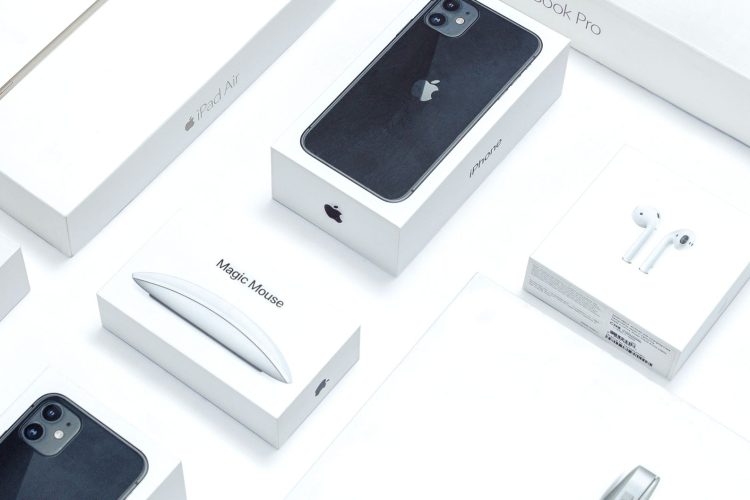
China-market iPhones have recently completed AI model registrations, signaling a significant step as Apple Intelligence nears its launch. This development is generating considerable interest in the tech community.
Overview of AI Model Registrations
Recent developments in the tech industry have highlighted the successful completion of AI model registrations for China-market iPhones. This milestone is a significant step as Apple prepares to launch its new AI-driven features under the Apple Intelligence banner.
Apple’s focus on enhancing its offerings in the Chinese market is evident through its strategic approach to integrating artificial intelligence into its devices. The completion of these registrations not only showcases Apple’s commitment to innovation but also its dedication to complying with local regulations.
The AI models are designed to improve user experience, enabling functionalities such as:
- Personalized user interfaces that adapt to individual preferences
- Enhanced photography features through advanced image processing
- Voice recognition capabilities that improve device interaction
As these models are now registered, users can expect a seamless rollout of new features that leverage artificial intelligence technology. This strategic move is not only expected to boost the appeal of the China-market iPhones but also position Apple as a leader in the competitive landscape of smartphone technology in China.
With the AI model registrations completed, analysts anticipate that Apple Intelligence will launch soon, potentially transforming how consumers in China interact with their devices.
Impact of AI on iPhone Functionality
The integration of artificial intelligence (AI) into the China-market iPhones marks a significant advancement in smartphone functionality. With the completion of AI model registrations, users can expect enhanced performance and smarter features that cater to their daily needs.
One of the most notable impacts of AI is the improvement in photo and video capabilities. AI algorithms can analyze scenes and subjects, allowing for automatic adjustments to lighting and focus, resulting in stunning images and videos. This is particularly beneficial for users who rely on their devices for photography.
Moreover, AI-driven features such as voice recognition and predictive text are set to become more intuitive. This will enable users to interact with their devices more seamlessly, whether through voice commands or enhanced typing suggestions.
In addition to these functionalities, AI is also expected to optimize battery life and performance. By learning user habits, the device can adjust settings and allocate resources more efficiently, ensuring a smoother experience.
Finally, privacy and security enhancements are on the horizon. AI can help identify potential threats and safeguard user data, making the China-market iPhones not only smarter but also safer for everyday use.
As Apple Intelligence nears launch, these advancements in AI integration will likely set a new standard in the competitive smartphone market.
What to Expect from Apple Intelligence
As Apple prepares to launch its highly anticipated Apple Intelligence, users of China-market iPhones can expect significant enhancements in device functionality and user experience. The completion of AI model registrations marks a pivotal moment for Apple, indicating that advanced features are on the horizon.
With the integration of AI, iPhones will likely see improvements in various areas, including:
- Camera Enhancements: Expect smarter image processing, allowing for improved low-light photography and enhanced portrait modes.
- Personalized User Experience: The AI will analyze user habits and preferences, leading to a more tailored interface that adapts to individual needs.
- Voice Recognition: Improved natural language processing will enable Siri to understand and respond more accurately to user commands.
- Battery Management: AI algorithms can optimize power consumption, extending battery life by predicting usage patterns.
The anticipation surrounding the release of these features is palpable, particularly among consumers in the China-market iPhones segment. As Apple continues to integrate AI into its devices, the brand reaffirms its commitment to innovation and user satisfaction. Users can look forward to a new era of smart capabilities that promise to redefine how they interact with their devices.
Comparing AI Features in Smartphones
As the competition in the smartphone market intensifies, the integration of artificial intelligence into devices has become a pivotal feature. In the context of China-market iPhones, the recent completion of AI model registrations signals a significant leap in how these devices will operate. Consumers can expect a suite of innovative AI capabilities designed to enhance user experience.
When comparing AI features in smartphones, several key elements come into play:
- Camera Enhancements: AI-driven algorithms are improving image processing, allowing for better low-light performance and real-time adjustments.
- Voice Recognition: Advanced AI models facilitate more accurate voice commands and interactions, making virtual assistants smarter and more responsive.
- Battery Optimization: AI algorithms help in managing power consumption by learning user habits, extending battery life significantly.
- Security Features: Facial recognition technology, powered by AI, adds an extra layer of security, ensuring that only authorized users can access the device.
As Apple gears up for the launch of its enhanced AI intelligence features, China-market iPhones are poised to lead the way in showcasing the future of smartphone technology. The imminent rollout promises to redefine user experiences across various applications, making AI an indispensable part of mobile devices.
Consumer Reactions to AI Innovations
As the launch of Apple Intelligence approaches, consumer reactions to the newly registered AI features for China-market iPhones have been overwhelmingly positive. Users express excitement about the potential enhancements that artificial intelligence could bring to their devices.
Feedback collected from early adopters highlights several key areas of interest:
- Camera Capabilities: Many consumers are eager to experience improved image processing and enhanced low-light photography, made possible by AI advancements.
- Personalized User Experience: Users anticipate a more tailored interaction with their devices, thanks to AI’s ability to learn individual preferences and habits.
- Battery Efficiency: There is a growing hope that AI will contribute to better battery management, prolonging device usage between charges.
- Voice Recognition: Enhanced voice assistants that understand context and nuances are on the wishlist of many iPhone users.
Despite the excitement, some consumers express concerns about privacy and data security. The integration of AI features in China-market iPhones raises questions about how personal information will be managed.
Overall, the sentiment surrounding AI innovations in the upcoming China-market iPhones reflects a balance of enthusiasm for cutting-edge technology and cautious optimism regarding its implications for user privacy.
Future of AI in Mobile Technology
The future of AI in mobile technology looks promising, particularly with the recent completion of AI model registrations for China-market iPhones. As Apple prepares to launch its advanced AI capabilities, the integration of artificial intelligence into mobile devices is set to transform user experiences significantly.
Experts predict several key trends that will shape the future of AI in smartphones:
- Enhanced User Interaction: AI will enable more intuitive interactions, allowing users to engage with their devices through voice commands and gestures more effectively.
- Personalized Experiences: With machine learning algorithms, smartphones will learn user preferences over time, providing tailored content and recommendations.
- Improved Photography: AI-driven enhancements in camera technology will allow for better image processing, resulting in stunning photos in various lighting conditions.
- Smart Automation: Mobile devices will increasingly automate routine tasks, helping users save time and effort in their daily lives.
As the AI landscape evolves, companies like Apple are focused on harnessing this technology to redefine how consumers interact with their devices. The anticipated launch of AI features in China-market iPhones is expected to set a new benchmark for innovation in the smartphone industry, further solidifying the role of AI in shaping the future of mobile technology.
Apple’s Strategy in the China Market
Apple’s strategy in the China market has evolved significantly as the company seeks to solidify its position among local competitors. With the recent completion of AI model registrations for China-market iPhones, Apple demonstrates its commitment to integrating cutting-edge technology into its devices, ensuring they meet the demands of tech-savvy consumers.
One of the key components of Apple’s strategy is the emphasis on localized features that resonate with Chinese users. By adapting AI functionalities to suit cultural preferences and usage patterns, Apple aims to enhance user experience and strengthen brand loyalty. This localized approach not only improves device performance but also positions Apple as a frontrunner in the competitive landscape of smartphones in China.
Furthermore, the integration of AI in iPhones is expected to elevate functionality through smarter applications and personalized services. This aligns with the growing trend of AI-driven technology in the region, where consumers are increasingly seeking devices that offer innovative solutions tailored to their needs. Apple’s focus on AI also helps to differentiate its products from those of domestic brands, providing a unique selling proposition that appeals to discerning buyers.
As Apple continues to refine its strategy, the successful registration of AI models for China-market iPhones could set the stage for a new era of technology in the region, potentially reshaping consumer expectations and industry standards.
Challenges Faced by Apple in AI Development
Despite the promising advancements in AI technology, Apple has encountered several challenges in the development of AI capabilities for its China-market iPhones. One major hurdle is navigating the complex regulatory landscape in China, where data privacy and security laws are stringent. Adhering to these regulations while ensuring robust AI functionality presents a unique dilemma for the tech giant.
In addition, Apple faces stiff competition from local smartphone manufacturers that are rapidly advancing their own AI capabilities. Companies like Huawei and Xiaomi have already integrated AI features that resonate well with Chinese consumers, forcing Apple to innovate at an accelerated pace to maintain its market share.
Another challenge lies in the cultural differences and consumer preferences unique to the Chinese market. Understanding local user behavior and preferences is crucial for Apple to tailor its AI features effectively. This requires extensive market research and development efforts, which can be both time-consuming and costly.
Furthermore, there are technical challenges associated with integrating AI into existing hardware. Ensuring that the AI models not only function efficiently but also enhance the overall user experience is paramount. Apple must strike a balance between innovation and usability to meet the high expectations of its customers in China.
Photo by Alan Quirván on Pexels
Read the original
Fastenal Q3 Revenue: The Best Insights for Investors · Ethereum Price Prediction: The Clear Impact of US Inflation · BHEL Q2 results: Best stock surge as profits soar 120%