
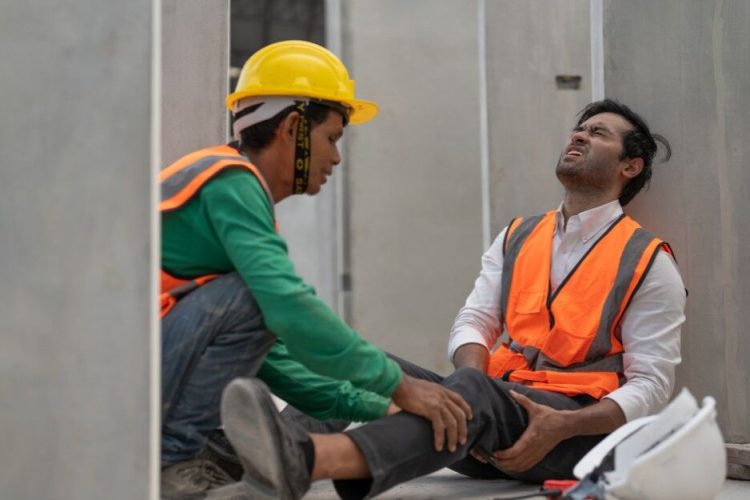
Construction sites are among the most hazardous workplaces in the United States. Despite extensive safety regulations and training requirements, accidents continue to occur, often resulting in serious injuries that affect workers and their families for years. When a construction accident happens, injured individuals frequently face questions about medical expenses, lost income, insurance claims, and potential legal options.
For people unfamiliar with personal injury law, understanding how construction accident claims work can help reduce confusion and provide clarity during a difficult time. This guide explains the basics of construction accident cases, common causes of injuries, and the legal principles that often apply after a workplace accident.
Why Construction Sites Present Unique Risks
Construction projects involve multiple contractors, heavy equipment, elevated work areas, and constantly changing job site conditions. These factors can increase the likelihood of accidents compared to many other workplaces.
Common Construction Site Hazards
Workers may encounter:
- Falls from ladders or scaffolding
- Falling tools or materials
- Heavy machinery accidents
- Electrical hazards
- Trench collapses
- Equipment malfunctions
Even with proper precautions, construction environments often involve significant risks.
Serious Injuries Are Common
Construction accidents frequently result in injuries such as:
- Broken bones
- Traumatic brain injuries
- Spinal cord injuries
- Burns
- Internal injuries
- Amputations
These injuries can require extensive medical treatment and lengthy recovery periods.
Understanding Construction Accident Liability
One of the most important questions after an accident is determining who may be legally responsible.
Workers’ Compensation
In many cases, injured construction workers may be eligible for workers’ compensation benefits.
Workers’ compensation is a system designed to provide benefits for employees injured while performing job-related duties. These benefits may help cover:
- Medical expenses
- Partial wage replacement
- Rehabilitation costs
Unlike a personal injury lawsuit, workers’ compensation claims generally do not require proof that someone was negligent.
Third-Party Claims
In some situations, a party other than the employer may have contributed to the accident.
Examples may include:
- Equipment manufacturers
- Property owners
- Subcontractors
- General contractors
- Outside vendors
When a third party’s negligence contributes to an injury, additional legal claims may be possible.
Common Causes of Construction Accidents
Understanding how accidents occur can help explain why liability disputes often arise.
Falls From Heights
Falls remain one of the leading causes of serious injuries in construction.
Common fall-related incidents involve:
- Scaffolding
- Roof work
- Ladders
- Elevated platforms
Equipment Accidents
Heavy machinery and power tools can create dangerous situations when improperly maintained or operated.
Falling Objects
Construction workers are often exposed to risks from tools, building materials, and debris falling from above.
Electrical Injuries
Contact with power lines, exposed wiring, or defective equipment can result in severe injuries or fatalities.
Each accident requires a careful investigation to determine the contributing factors.
The Role of Negligence in Personal Injury Claims
Many construction accident lawsuits are based on negligence.
What Is Negligence?
Negligence occurs when a person or organization fails to exercise reasonable care and causes harm to another individual.
To establish negligence, an injured party generally must demonstrate:
- A duty of care existed.
- That duty was breached.
- The breach caused the injury.
- Damages resulted.
These elements are central to many personal injury claims.
Evidence in Construction Accident Cases
Evidence plays a critical role in determining what happened and who may be responsible.
Important Types of Evidence
Common evidence may include:
- Accident reports
- Photographs of the site
- Witness statements
- Medical records
- Safety inspection reports
- Equipment maintenance records
Preserving evidence soon after an accident can be important because construction sites often change rapidly.
Expert Analysis
Complex cases may involve experts who evaluate:
- Safety procedures
- Equipment performance
- Industry standards
- Accident reconstruction
Expert testimony can help explain technical issues during settlement negotiations or litigation.
Compensation in Construction Accident Cases
The compensation available depends on the specific facts of each case.
Economic Damages
Economic damages address measurable financial losses, including:
- Medical bills
- Future treatment costs
- Lost wages
- Reduced earning capacity
Non-Economic Damages
These damages may include:
- Pain and suffering
- Emotional distress
- Loss of enjoyment of life
The severity of injuries often plays a major role in determining the value of a claim.
Challenges That Often Arise
Construction accident claims can be more complicated than many other personal injury cases.
Multiple Responsible Parties
Large construction projects often involve numerous companies working together. Determining responsibility may require extensive investigation.
Insurance Disputes
Different insurance carriers may disagree regarding liability and coverage obligations.
Long-Term Medical Issues
Serious injuries may require ongoing treatment, making it difficult to fully evaluate future costs early in the process.
These factors often contribute to the complexity of construction accident litigation.
The Importance of Legal Representation
Construction accident cases frequently involve detailed investigations, multiple parties, and significant damages.
Attorneys may assist with:
- Identifying liable parties
- Gathering evidence
- Reviewing contracts
- Negotiating with insurers
- Evaluating damages
Organizations such as Sabbeth Law’s injury attorneys and other personal injury law firms often help injured workers and families understand their legal rights and evaluate potential claims following serious construction accidents.
Legal guidance can be particularly important when multiple parties or complex liability issues are involved.
Reliable Sources of Information
Individuals seeking workplace safety information can consult the Occupational Safety and Health Administration, which provides educational resources regarding construction safety standards.
The National Institute for Occupational Safety and Health also offers information about workplace hazards and injury prevention.
These resources can help workers better understand safety practices and accident prevention measures.
Conclusion
Construction accidents can have life-changing consequences for injured workers and their families. Understanding the common causes of these incidents, the role of negligence, and the difference between workers’ compensation and third-party claims can help individuals better navigate the legal process.
From investigating the accident and preserving evidence to evaluating compensation and identifying responsible parties, each step plays an important role in protecting legal rights. While every case is unique, a basic understanding of construction accident law can provide valuable clarity during a challenging and often overwhelming time.