
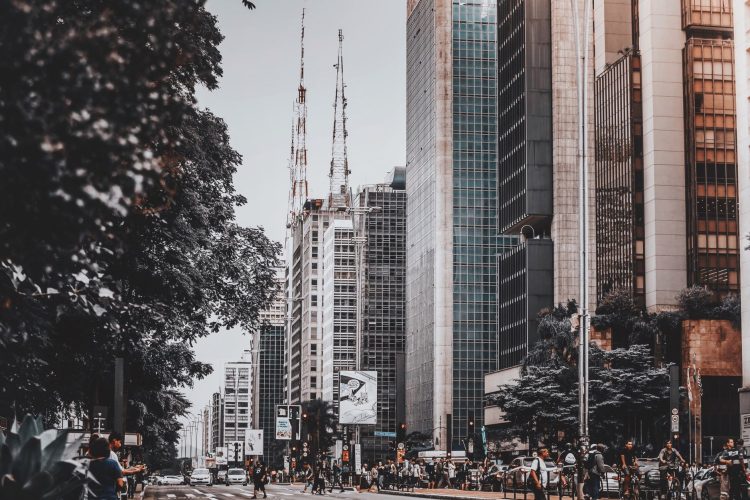
The Imperfect City review delves into Paul Goldberger’s insightful exploration of urban landscapes, highlighting both their flaws and charm.
Overview of The Imperfect City
In “The Imperfect City,” renowned architectural critic Paul Goldberger offers a compelling analysis of urban life through a unique lens. The book dives into the complexities of city living, exploring how imperfections shape our experiences in metropolitan environments. Goldberger emphasizes that cities are not merely collections of buildings but vibrant ecosystems filled with diverse personalities and narratives.
The author highlights several themes, including:
- The Role of Community: How neighborhoods foster connections among residents.
- Architectural Diversity: The importance of varied designs in enhancing urban spaces.
- Infrastructure Challenges: Addressing the need for sustainable development in growing cities.
Overall, “The Imperfect City” serves as a thought-provoking read that encourages readers to embrace the beauty found in urban imperfections, making it a significant addition to the discourse on city life.
Author Paul Goldberger’s Background
Paul Goldberger is a distinguished architectural critic and author, best known for his insightful explorations of urban environments. With a career spanning several decades, he has contributed to renowned publications such as The New Yorker and The New York Times. Goldberger’s expertise in architecture and urban design is evident in his previous works, where he adeptly examines the interplay between buildings and their surroundings.
His latest book, The Imperfect City, showcases his ability to distill complex ideas about urban life into accessible and engaging prose. Drawing from his extensive background in the field, Goldberger encourages readers to reconsider their perceptions of cities. His deep understanding of architecture, combined with a passion for storytelling, makes this review a compelling read for anyone interested in the nuances of urban living and the challenges that come with it.
Themes Explored in The Imperfect City review
In The Imperfect City review, several compelling themes emerge that provide a nuanced understanding of urban life. Goldberger delves into the complexities of city design, exploring how architecture interacts with the human experience. He emphasizes the notion that perfection in urban planning is not only unrealistic but also undesirable.
Another key theme is the relationship between community and space. Goldberger highlights the importance of inclusivity and accessibility, arguing that cities should cater to diverse populations. This perspective encourages readers to reconsider their perceptions of urban environments as solely functional.
Moreover, the book addresses the impact of technology on city living, discussing how innovation shapes our interactions with urban spaces. Through these themes, The Imperfect City review challenges the conventional wisdom about urban development and inspires reflection on what makes a city truly livable.
Critical Reception of The Imperfect City
The critical reception of The Imperfect City has been largely positive, with many reviewers praising Paul Goldberger’s insightful approach to urban life. Critics have noted the book’s ability to blend personal anecdotes with broader observations about the complexities of city living.
Reviewers have highlighted several key aspects:
- Engaging Narrative: Goldberger’s writing style captivates readers, making complex topics accessible.
- Rich Illustrations: The inclusion of photographs and illustrations enhances the text, adding depth to the discussion.
- Thought-Provoking Insights: Many have found the book to be a valuable commentary on the challenges and triumphs of modern urban environments.
Overall, The Imperfect City review reflects a consensus that Goldberger has succeeded in creating a thoughtful exploration of what it means to live in an imperfect urban landscape.
Impact of Urban Design on Daily Life
The impact of urban design on daily life is a central theme in The Imperfect City review. Paul Goldberger emphasizes how the built environment shapes not only our physical interactions but also our emotional experiences within a city. He illustrates this connection through various examples, highlighting how thoughtful design can foster community while neglect can lead to isolation.
Goldberger notes that urban spaces should be adaptable, catering to the diverse needs of their inhabitants. He argues that cities should be seen as living organisms, constantly evolving based on the needs and desires of their residents. This perspective invites readers to reconsider their relationship with their surroundings and recognize the profound influence of architecture and planning on everyday life.
Through his insightful analysis, Goldberger encourages a dialogue about the importance of intentional design, urging us to envision cities that are more inclusive and vibrant.
Comparative Analysis with Other Urban Books
In comparing The Imperfect City review with other notable urban literature, it becomes evident that Paul Goldberger’s approach is refreshingly distinct. While many urban books tend to focus on theoretical frameworks or historical context, Goldberger emphasizes the emotional and experiential aspects of city life.
Works such as Jane Jacobs’ The Death and Life of Great American Cities and Richard Florida’s The Rise of the Creative Class provide critical analyses of urban development, yet they often lack the personal touch that Goldberger incorporates.
In contrast, The Imperfect City invites readers to connect with the vibrant, chaotic nature of urban environments, making it more relatable. Goldberger’s narrative not only critiques contemporary urban issues but also celebrates the imperfections that define our cities, positioning his book as a vital addition to urban studies literature.
Reader Reactions to The Imperfect City
Reader reactions to The Imperfect City have been overwhelmingly positive, with many praising Paul Goldberger’s insightful exploration of urban dynamics. Reviewers have highlighted the book’s ability to resonate with everyday experiences in city living.
Some key points raised by readers include:
- Engaging Narrative: Many found Goldberger’s writing style to be both accessible and thought-provoking, making complex themes easy to digest.
- Relatable Examples: Readers appreciated the use of real-life examples that illustrate the challenges and beauty of urban life.
- Inspiring Reflection: Several commenters noted that The Imperfect City review encouraged them to think critically about their own cities and the importance of thoughtful urban design.
Overall, the book has sparked meaningful conversations about the future of urban living.
Conclusion: Is The Imperfect City Worth Reading?
In conclusion, The Imperfect City review presents a compelling case for the importance of understanding urban environments through a thoughtful lens. Paul Goldberger’s insights into the complexities of city life resonate strongly, making the book a valuable read for anyone interested in urban design and architecture.
Goldberger’s ability to weave personal anecdotes with broader societal observations creates a narrative that is both engaging and enlightening. Readers will find themselves reflecting on their own urban experiences, fostering a deeper appreciation for the cities they inhabit.
Ultimately, The Imperfect City not only informs but also inspires action towards creating better urban spaces. For those who seek to grasp the nuances of urban living, this book is undoubtedly worth reading.
With its rich analysis and relatable storytelling, Goldberger’s work stands out in the genre, making it a significant contribution to discussions about our shared urban futures.
The Imperfect City review offers a nuanced perspective on the complexities of urban living. Readers will find that The Imperfect City review delves into the challenges and triumphs faced by cities around the world.
Photo by Gustavo Juliette on Pexels