
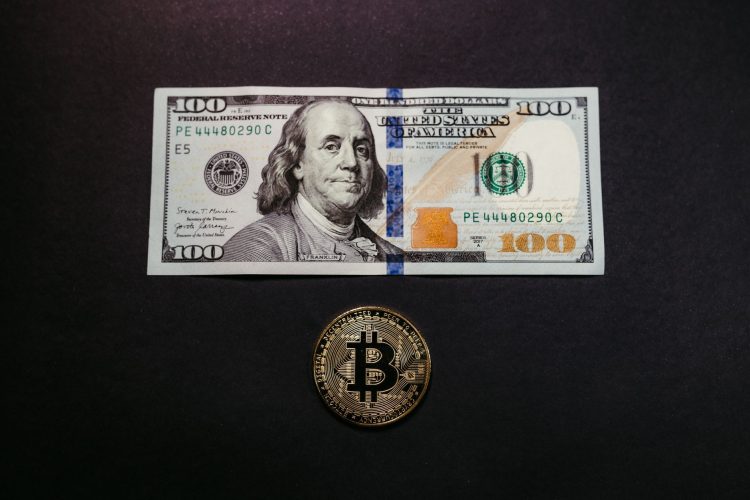
US Dollar impact on Indian markets is a growing concern for investors. The recent surge in the Dollar may have significant repercussions for the Sensex and Nifty indices.
Understanding the US Dollar’s Rise
The recent surge in the US Dollar, which has reached a near two-month high, raises significant questions about its impact on Indian markets. As the US Dollar strengthens, the volatility in global markets often results in a ripple effect on emerging economies, including India.
The relationship between the US Dollar and Indian markets is intricate, as a stronger dollar can lead to:
- Increased Import Costs: A rising dollar makes imports more expensive, affecting companies reliant on foreign goods.
- Capital Outflows: Investors may prefer US assets over Indian equities, leading to decreased investment in local markets.
- Currency Depreciation: The Indian Rupee may weaken against the dollar, further impacting inflation and purchasing power.
In light of these factors, understanding the US Dollar’s rise is crucial for investors and policymakers alike, as it poses a potential threat to the stability of Indian markets.
Impact on Sensex and Nifty
The recent surge in the US Dollar has raised concerns among investors regarding its impact on Indian markets, particularly the Sensex and Nifty. As the US Dollar climbs to near a two-month high, analysts are closely monitoring how this may affect foreign investments and overall market sentiment in India.
Historically, a stronger US Dollar tends to create headwinds for emerging markets like India. This is primarily due to increased capital outflows as investors seek safer returns in the US. Consequently, the Sensex and Nifty may experience increased volatility, with investors reassessing their equity positions.
- Increased costs of imports: A stronger Dollar makes imports more expensive, potentially leading to inflationary pressures.
- Foreign institutional investment: A rising US Dollar could result in reduced foreign investment in Indian equities.
- Market corrections: The Sensex and Nifty may face corrections if investor sentiment turns bearish.
Overall, the US Dollar’s impact on Indian markets could present both challenges and opportunities for traders and investors alike.
Investor Reactions to Currency Fluctuations
Investor reactions to the fluctuations in the US Dollar have been mixed, as uncertainty looms over the Indian markets. Many traders are closely monitoring the currency’s performance, as its strength can significantly influence foreign investment patterns.
Some market participants express concern, noting that a robust US Dollar could lead to capital outflows from Indian equities, impacting both the Sensex and Nifty indices. Others, however, remain optimistic, believing that strong domestic fundamentals could cushion the impact of the US Dollar’s rise.
Among the key factors influencing investor sentiment are:
- Foreign Institutional Investment (FII): A higher US Dollar may deter FIIs from investing in Indian stocks.
- Export Competitiveness: A strong Dollar can benefit Indian exporters, potentially offsetting some negative effects.
- Inflation Concerns: Rising import costs due to a stronger Dollar can lead to inflationary pressures.
The overall impact on Indian markets remains to be seen as investors adapt to the changing currency landscape.
Global Economic Factors at Play
The recent fluctuations in the US Dollar have raised concerns regarding its impact on Indian markets. Several global economic factors contribute to this scenario, influencing investor sentiment and market stability.
Key elements affecting the situation include:
- Monetary Policy Changes: Adjustments in interest rates by the US Federal Reserve can lead to a stronger dollar, prompting capital outflows from emerging markets like India.
- Trade Balances: A robust US Dollar can make Indian exports more expensive, potentially widening the trade deficit and affecting the overall economy.
- Geopolitical Tensions: Uncertainties in global politics can lead to market volatility, impacting the Indian rupee and, subsequently, the US Dollar’s effect on local markets.
- Commodity Prices: As the dollar strengthens, commodity prices may rise, affecting inflation and consumer spending in India.
Understanding these dynamics is crucial for evaluating the US Dollar’s impact on Indian markets.
Future Predictions for Indian Markets
As the US Dollar continues to strengthen, experts predict significant implications for Indian markets in the near future. Analysts suggest that the ongoing rise of the US Dollar could lead to increased volatility in the Sensex and Nifty indices. This volatility may be driven by foreign investor sentiment, as a strong dollar often results in capital outflows from emerging markets like India.
Furthermore, fluctuations in the US Dollar can influence inflation rates and interest rates in India, which are critical for economic stability. Investors are particularly concerned about the impact of higher import costs on various sectors, particularly those reliant on imported raw materials.
In light of these considerations, many market analysts recommend a cautious approach. Investors should stay informed about the US Dollar’s impact on Indian markets and remain vigilant in monitoring global economic indicators that could signal further shifts.
Ultimately, the future trajectory of Indian markets will depend on how effectively they can navigate the challenges posed by a strengthening US Dollar.
The US Dollar impact on Indian markets has been a focal point for investors as currency fluctuations can lead to significant changes in market dynamics. Understanding the US Dollar impact on Indian markets is crucial for developing effective investment strategies in this volatile environment.
Photo by Jonathan Borba on Pexels
Sources
You might also like
Republic Services stock shows proven growth in earnings · Hitachi stock gains: Proven strategy for investors · Hero Motors share price: Is it the best stock to buy now?