
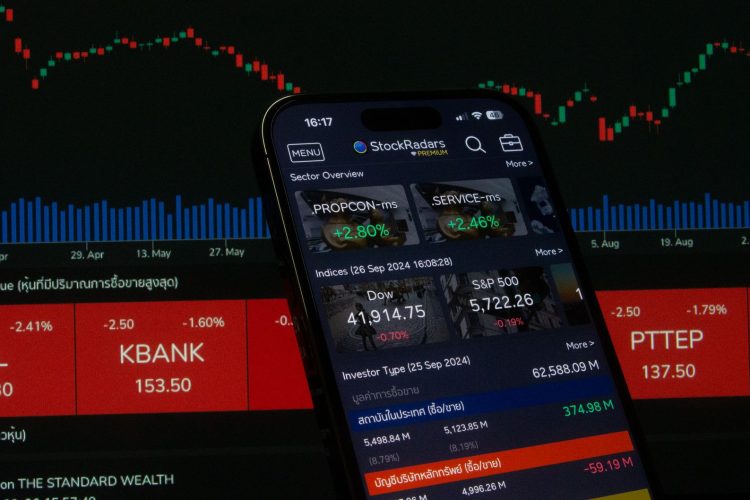
Sensex market performance has been turbulent today, gaining 299 points at open before experiencing a decline of 400 points. This fluctuation raises questions about market stability.
Overview of Sensex Today
Today, the Sensex market performance showcased a volatile trading session, beginning with a promising gain of 299 points at the open. However, this initial optimism quickly faded as the index fell by 400 points, reflecting the uncertainty gripping investors. The fluctuations in the market can be attributed to various factors, including shifting oil prices and global economic indicators.
As the day progressed, the Nifty index managed to top 22,590, aided by easing oil prices. Analysts are closely monitoring these developments, suggesting that the decline in the Sensex could be a reaction to broader market trends rather than isolated concerns. Overall, the market remains in a state of flux, prompting investors to stay alert to any further changes that could impact the Sensex market performance in the coming days.
Impact of Oil Prices on Markets
The recent fluctuations in the Sensex market performance have drawn attention to the impact of rising oil prices. As global oil prices increase, investors often react with caution, fearing inflation and reduced consumer spending. This reaction was evident when the Sensex initially gained 299 points at open but swiftly fell by 400 points as oil prices began to climb.
Several analysts have pointed out that the correlation between oil prices and market performance is significant. A rise in oil prices can lead to increased production costs for companies, which may subsequently impact their profitability. Additionally, higher fuel prices can strain household budgets, leading to decreased spending in other sectors.
As markets continue to navigate these changes, investors are advised to monitor oil price trends closely, as they could be a key indicator of future Sensex market performance.
Nifty Performance Analysis
The Nifty index experienced notable fluctuations today, mirroring the overall Sensex market performance. After a promising start, where it peaked at 22,590, the index succumbed to selling pressure, leading to a decline of over 200 points by midday.
Several factors contributed to this volatility:
- Global Market Trends: Weakness in international markets has been a significant drag.
- Investor Sentiment: Concerns over inflation and interest rates have made investors wary.
- Sectoral Performance: IT and financial sectors saw a downturn, impacting the Nifty’s overall performance.
As analysts assess the Sensex market performance, many believe that further examination of these factors is crucial for future trading strategies.
Market Trends and Predictions
Recent trends in the Sensex market performance indicate a volatile landscape influenced by various factors. Analysts have noted that despite a promising start, the Sensex saw a significant decline, dropping 400 points after an initial gain of 299 points. This fluctuation has raised questions about the underlying reasons for the market’s instability.
Market experts suggest that several elements are contributing to these shifts:
- Global Economic Conditions: Uncertainty in international markets continues to impact investor sentiment.
- Domestic Policy Changes: Recent government policies may have created apprehension among traders.
- Investor Behavior: A tendency towards profit-booking after gains can lead to sharp declines.
As predictions for the coming weeks unfold, many are watching closely to determine if the Sensex can stabilize or if further declines are imminent.
Investor Reactions to Market Changes
As the Sensex market performance fluctuates, investors are expressing a mixture of concern and caution regarding the recent downturn. The initial surge of 299 points was quickly overshadowed by a subsequent drop of 400 points, leaving many investors questioning their strategies.
In response to these developments, several key reactions have emerged:
- Increased Volatility: Many investors are adjusting their portfolios to mitigate risks associated with market changes.
- Profit-Taking: Some traders are opting to lock in profits from previous gains, fearing further declines.
- Long-Term Outlook: A segment of investors remains optimistic, believing the current dip presents a buying opportunity for long-term growth.
The sharp shifts in the Sensex market performance highlight the unpredictable nature of stock trading, prompting investors to stay vigilant and informed.
Key Factors Influencing Sensex
The recent performance of the Sensex has raised concerns among investors and analysts alike. Several key factors are influencing the fluctuations in the market, contributing to the observed drop.
- Global Economic Conditions: Uncertainties in international markets, including geopolitical tensions, have created a ripple effect on the Sensex.
- Interest Rate Decisions: Anticipation of potential interest rate hikes by central banks has led to increased market volatility.
- Corporate Earnings Reports: Mixed results from major companies have impacted investor sentiment, causing a cautious approach.
- Foreign Institutional Investment: A decline in foreign investments has put additional pressure on the Sensex, contributing to its overall performance.
Understanding these factors is essential for investors navigating the complexities of the Sensex market performance.
Future Outlook for Indian Markets
As analysts assess the recent fluctuations, the future outlook for Indian markets remains uncertain. The Sensex market performance has raised concerns among investors, especially following the recent dip attributed to various economic factors.
Key areas to watch include:
- Global Economic Indicators: Trends in major economies could significantly influence market sentiment.
- Interest Rates: Changes in central bank policies, both domestically and internationally, will impact investment flows.
- Sectoral Performance: Certain sectors may outperform others depending on consumer demand and government initiatives.
- Geopolitical Stability: Any disruptions on the global stage can further complicate the market landscape.
While short-term volatility is expected, investors are urged to focus on long-term strategies to navigate the complexities of the Sensex market performance.
Photo by StockRadars Co., on Pexels