
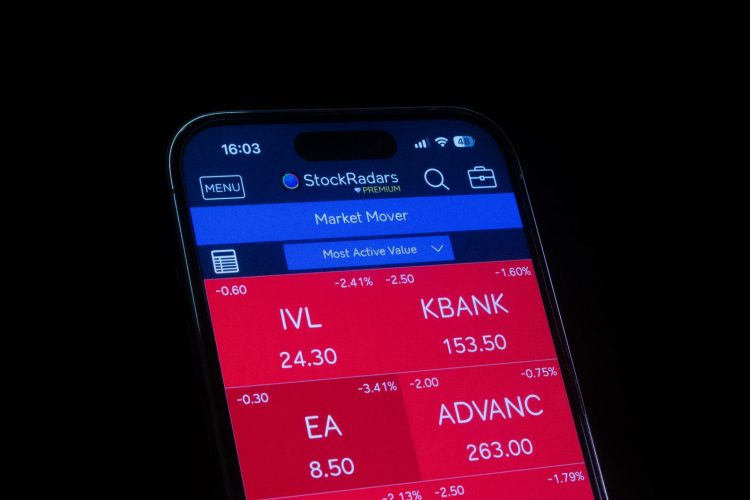
stock split alert is crucial for investors looking to capitalize on upcoming opportunities. With shares jumping 121% in the last two years, understanding the implications of stock splits can enhance your investment strategy.
What is a Stock Split?
A stock split occurs when a company divides its existing shares into multiple new shares to boost liquidity. This corporate action typically aims to make shares more affordable for investors, particularly when the stock price becomes high.
When a stock split happens, the total market capitalization of the company remains unchanged; however, the number of shares outstanding increases. For instance, in a 2-for-1 split, shareholders will receive an additional share for every share they own, effectively halving the price per share.
Investors often pay close attention to stock split alerts as they can signal positive company performance and growth potential. Companies may choose to split their stock to attract a broader base of investors, including retail investors who may have been deterred by high share prices.
It is essential for investors to analyze the reasons behind a stock split and how it aligns with their investment strategies.
Understanding Record Dates
When a company announces a stock split, one crucial date investors should pay attention to is the record date. This date determines which shareholders are eligible to receive the additional shares from the split. If you own shares before this date, you will benefit from the stock split, while those who purchase shares afterward will not.
Understanding record dates is essential for investors looking to maximize their returns. Here are some key points to consider:
- Stay Informed: Companies usually announce their record dates along with the split ratio.
- Plan Ahead: If you intend to buy shares, ensure your purchase is completed before the record date.
- Watch for Changes: Occasionally, companies may change their record dates, so it’s vital to stay updated.
Being aware of these details can help you make informed decisions during stock split alerts.
Impact on Share Prices
The implications of a stock split alert can significantly influence share prices, often leading to increased volatility. When a company announces a stock split, it typically aims to make its shares more affordable for retail investors. This action can enhance liquidity and broaden the investor base.
However, the effect on share prices may vary depending on market conditions and investor sentiment. Here are some key points to consider:
- Short-term Gain: Post-split, shares may experience a surge in price as investors rush to buy in.
- Long-term Stability: While an initial spike in share price might occur, sustainability often hinges on the company’s fundamentals.
- Market Perception: Investor perception of the split can either bolster confidence or raise concerns about the company’s financial health.
Ultimately, understanding these dynamics is crucial for making informed investment decisions in light of a stock split alert.
Historical Performance of Stock Splits
Historically, stock splits have been a significant event for investors, often leading to increased demand for shares. When a company announces a stock split, it typically aims to make its shares more accessible to a broader range of investors. This can enhance liquidity and potentially drive up the stock price in the long term.
Several studies have shown that stocks that undergo splits often outperform the market in the following years. Investors who receive a stock split alert should be aware of the following factors:
- Market Sentiment: Positive sentiment around a split can lead to increased trading volume.
- Company Fundamentals: Strong underlying business performance often correlates with successful splits.
- Timing: The timing of a split can impact investor reactions and subsequent stock performance.
By understanding these historical patterns, investors can make informed decisions following a stock split alert.
Investor Sentiment Around Splits
Investor sentiment around splits has shown a significant impact on market behavior. Many investors view a stock split as a positive indicator, often leading to increased buying activity. This perception can be attributed to the psychological effect of a lower share price, making the stock more accessible to a broader range of investors.
Moreover, companies that announce stock splits often do so during periods of strong performance, which can enhance investor confidence. However, it is essential to approach these splits with a critical mindset.
Consider the following:
- Market Conditions: Assess overall market trends and economic indicators.
- Company Fundamentals: Evaluate the company’s financial health and growth prospects.
- Long-Term Strategy: Focus on how the stock split aligns with your investment goals.
In summary, while the stock split alert can generate excitement, informed decision-making remains crucial for investors.
Key Considerations for Investors
As investors navigate the landscape of stock splits, several key considerations should be kept in mind. A stock split alert often signals a company’s confidence in its future performance, but it is essential to analyze the context behind the decision.
Investors should consider the following factors:
- Company Fundamentals: Evaluate the company’s financial health, including revenue growth and profit margins.
- Market Conditions: Be aware of overall market trends that may affect stock performance post-split.
- Timing: Monitor the record date and ex-dividend date to make informed decisions regarding trading.
- Long-Term Goals: Determine how the split aligns with your investment strategy and risk tolerance.
Understanding these elements can help investors make the most of a stock split alert, potentially enhancing their investment portfolio.
Future Predictions for Stock Splits
As the market evolves, investors are keenly anticipating future trends in stock splits. Analysts suggest that companies may increasingly adopt stock split strategies to enhance accessibility and attract a broader range of investors. This shift is often driven by the desire to maintain competitive stock prices while stimulating trading activity.
Several factors are likely to influence these future predictions:
- Market Conditions: A strong bull market may encourage companies to implement stock splits to capitalize on positive investor sentiment.
- Company Performance: Firms showcasing consistent growth are more prone to announce splits, reflecting confidence in their financial health.
- Investor Demands: A growing emphasis on liquidity and affordability can prompt companies to consider stock split alerts as part of their strategy.
In conclusion, the future of stock splits appears promising, with investors remaining vigilant for potential opportunities in the market.
Investors should pay close attention to the stock split alert, as it often signals a company’s confidence in its future growth. By implementing proven strategies in response to a stock split alert, investors can capitalize on potential market opportunities.
Photo by StockRadars Co., on Pexels
References
shares jump 121% in 2 yrs | Do you own?
London bankers gilts: Smart strategies for personal portfolios · High Energy Batteries Profit: Proven Growth in FY26 · Nifty Critical Support: Analysts Warn of Market Trends